Every quote we send eventually draws the same question: does the cut edge need extra work before I weld it? The honest answer is sometimes — and the difference is visible on the edge itself, if you know what to look for.
The four photos below were shot on our own floor between jobs, not staged. We use them here to show what a clean edge looks like, what a burr looks like, and where the finishing money actually goes.
What a cut edge carries out of the machine
A thermal cut leaves three things behind: striations from the melt front, an oxide layer whose colour depends on the assist gas, and a burr whose size depends on how well the molten metal was ejected. Get all three right and the part goes straight to the next operation. Get one wrong and somebody is standing at a grinder.
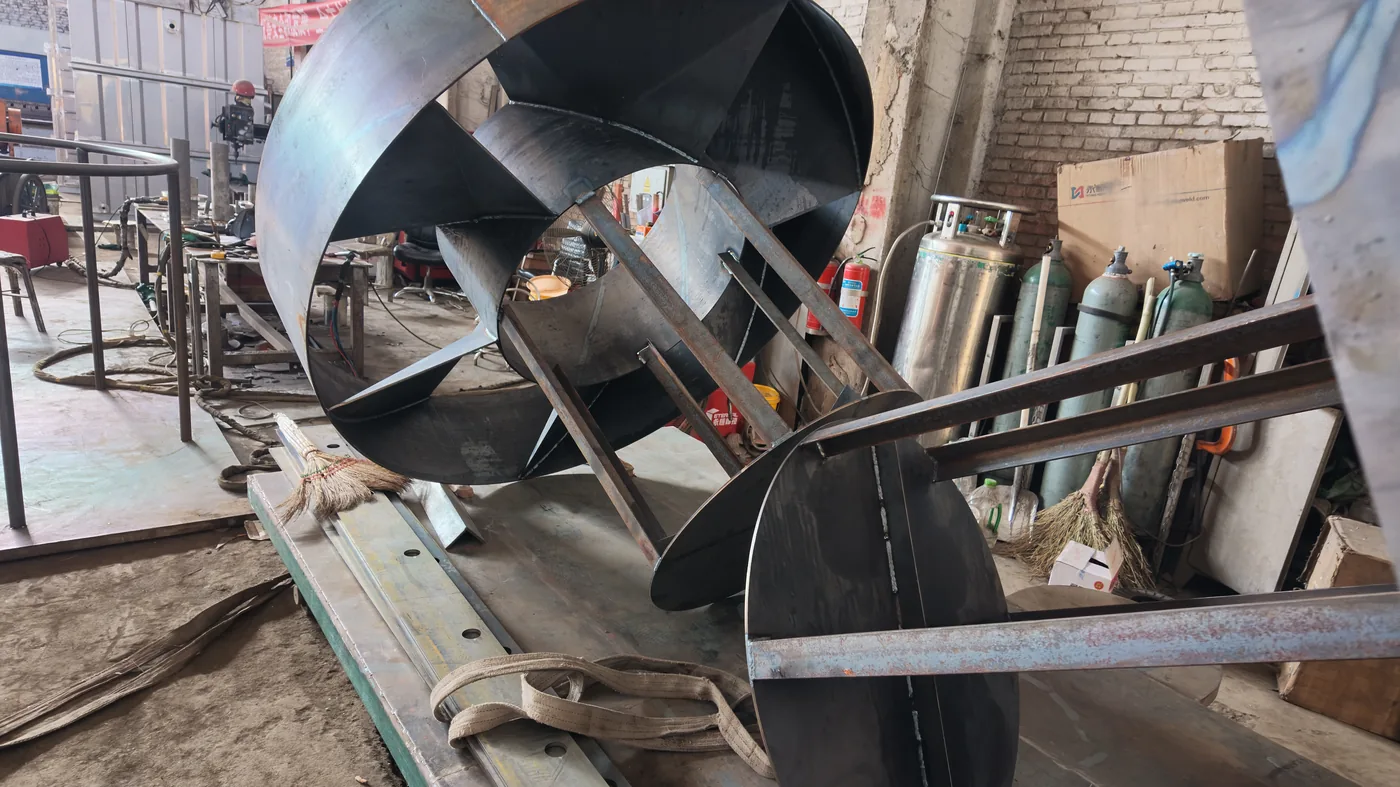
EN ISO 9013 is the yardstick for this. It grades a thermal cut face on squareness, striation and burr height in classes running 1 (cleanest) to 5. Most structural work lives happily in the middle classes; weld-critical and sealed faces want the top of the scale.
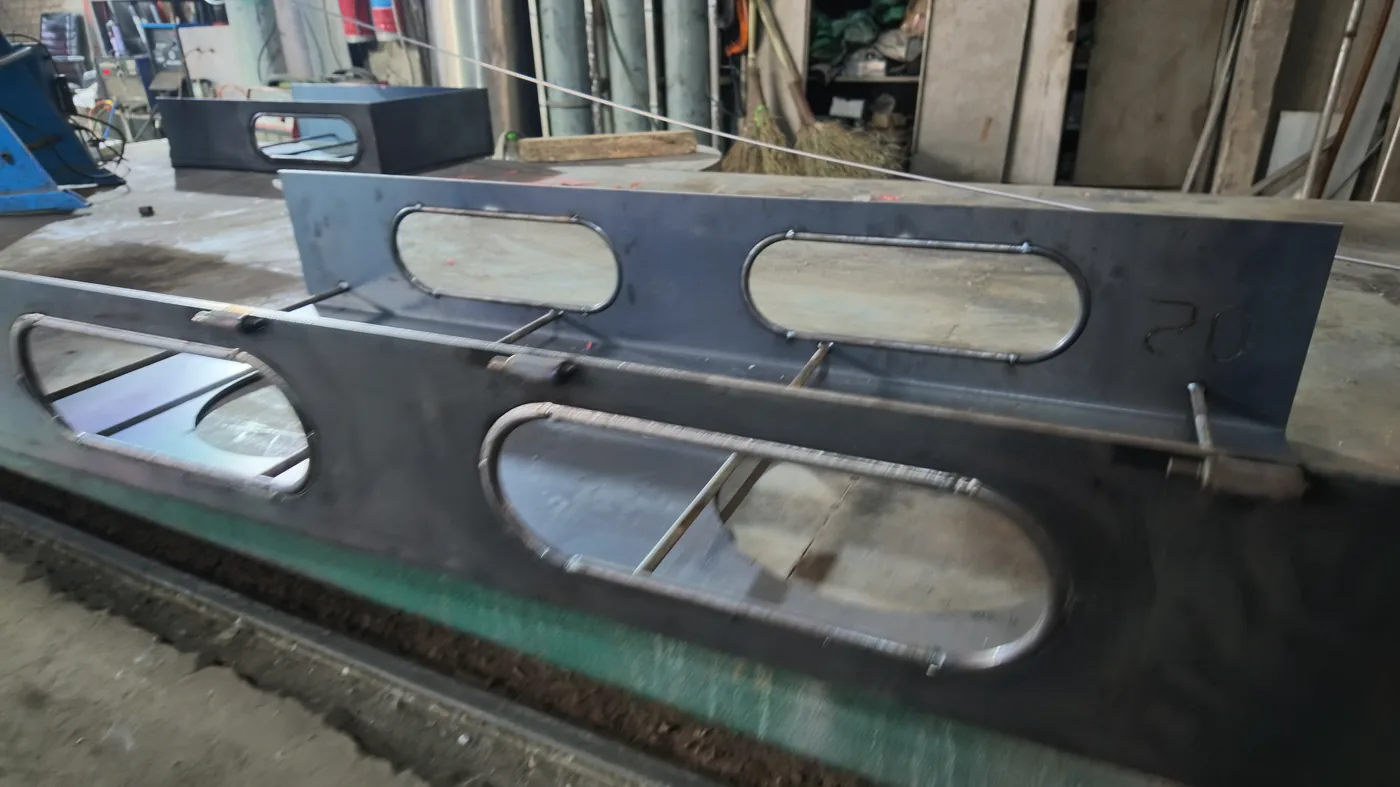
The rule we quote customers: if the next step is a full-penetration weld or a powder coat, budget a finishing pass on anything over 12 mm. Below that, inspect first — most edges go straight through and charging you for grinding would be padding the invoice.
Oxygen or nitrogen: the edge tells you which
Oxygen cutting is exothermic; the metal burns as well as melts, which is why it is fast on thick carbon steel and why it leaves a dark oxidised band on the face — typically 0.2–0.5 mm deep on heavier plate. Nitrogen simply shields, so the edge comes out bright and oxide-free, at the price of higher gas pressure and a cycle roughly 30–40% slower on thick carbon steel.
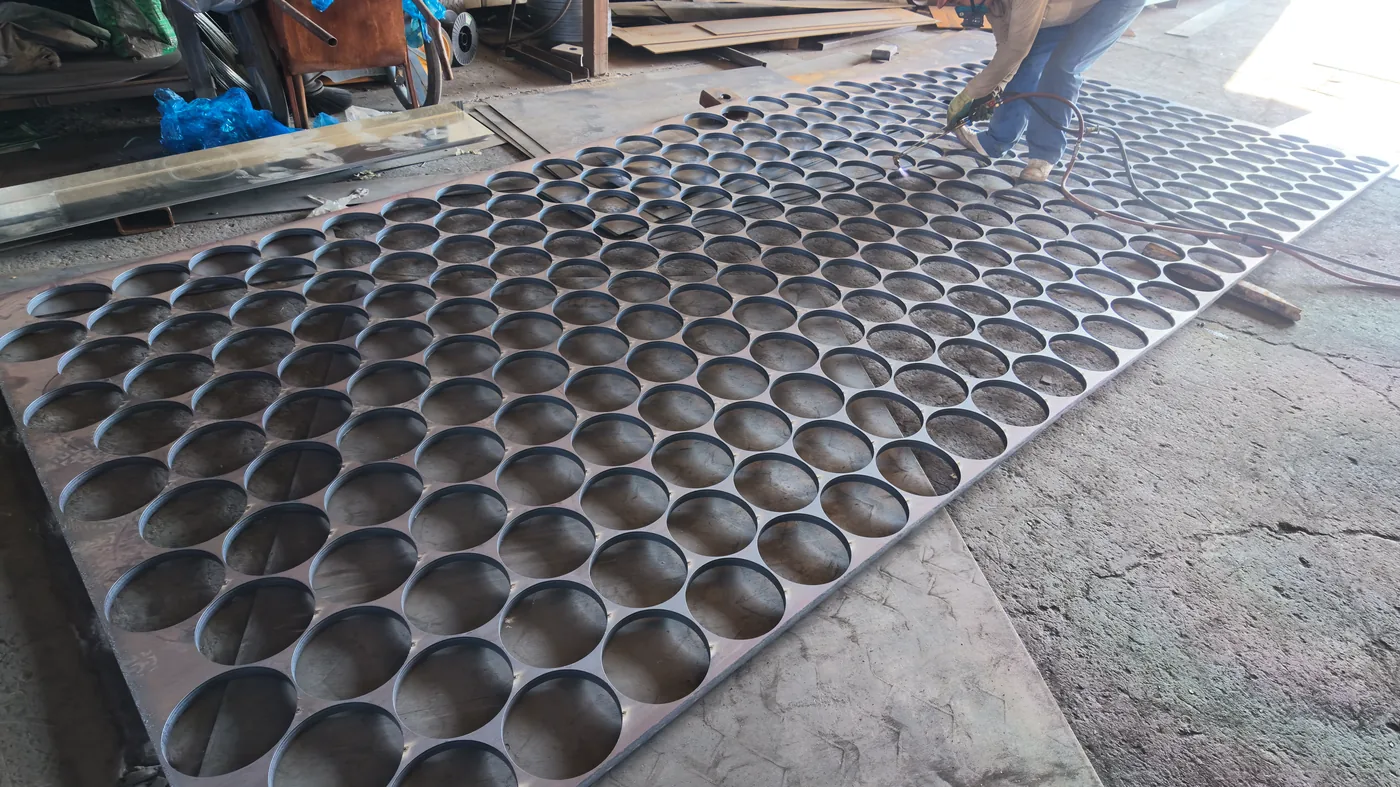
Here is where buyers get hurt. Some shops oxygen-cut carbon steel to keep the metre-price down, then ship it straight to welding without touching the oxide. Iron oxide dragged into a weld pool is exactly where porosity and slag inclusions start — and they usually show up weeks later, on a radiograph, after the assembly is built.
You can spot the risk before you buy: an oxygen-cut face is dark and slightly glassy, a nitrogen-cut face is bright matte. Ask which gas, ask whether the oxide gets removed, and ask to see one edge from your own thickness range rather than a sample coupon.
If you want the gas decision in full we wrote it up separately: how assist gas changes edge colour, cost and weld readiness. We accept the slower nitrogen cycle on weld-critical parts because regrinding a rejected weld costs more than the gas did. On non-critical thick plate we will still oxygen-cut and say so openly, with the finishing step priced as a line item instead of hidden.
When you can skip finishing entirely
Not every edge deserves a grinder. Skipping finishing is correct engineering, not corner-cutting, when the joint and the surface treatment can tolerate what the laser left.
- Thin plate (roughly under 6 mm) cut with nitrogen: burr is usually a whisker and the weld pool absorbs it.
- Fillet welds and tack-only assemblies where root quality is not inspected.
- Parts going to blast-and-coat: the blast cleans the edge anyway, so grinding twice pays nothing.
- Bolted connections where the cut face is not a bearing surface.
| Plate thickness | Typical edge as-cut | Finishing needed? | Why |
|---|---|---|---|
| ≤ 6 mm, nitrogen | Bright, whisker burr | Usually no | Weld pool absorbs burr; coat adhesion unaffected after blast |
| 6–12 mm, nitrogen | Bright, light striation | Inspect, often no | ISO 9013 mid-class is acceptable for fillet and non-RT welds |
| 12–20 mm, nitrogen | Bright, heavier striation | Usually yes on weld faces | Striation valleys trap contaminants in full-pen roots |
| > 12 mm, oxygen | Dark oxide band | Yes before weld or coat | Oxide causes porosity in welds and adhesion loss under coating |
When finishing is non-negotiable
Some jobs remove the debate. If any of these apply, the finishing pass is part of the price and part of the route card, not an option.
- Full-penetration welds, especially where RT or UT inspection follows.
- Sealed or pressure boundaries where the cut face becomes part of the joint.
- Product-contact surfaces in food, beverage or pharma service — crevices and oxide are hygiene failures, not cosmetics.
- Machined or mating faces where the cut edge sets the fit.
- Drawings that call for weld-prep geometry — bevels are cut in the same operation rather than ground afterwards.
What to ask your supplier before you compare prices
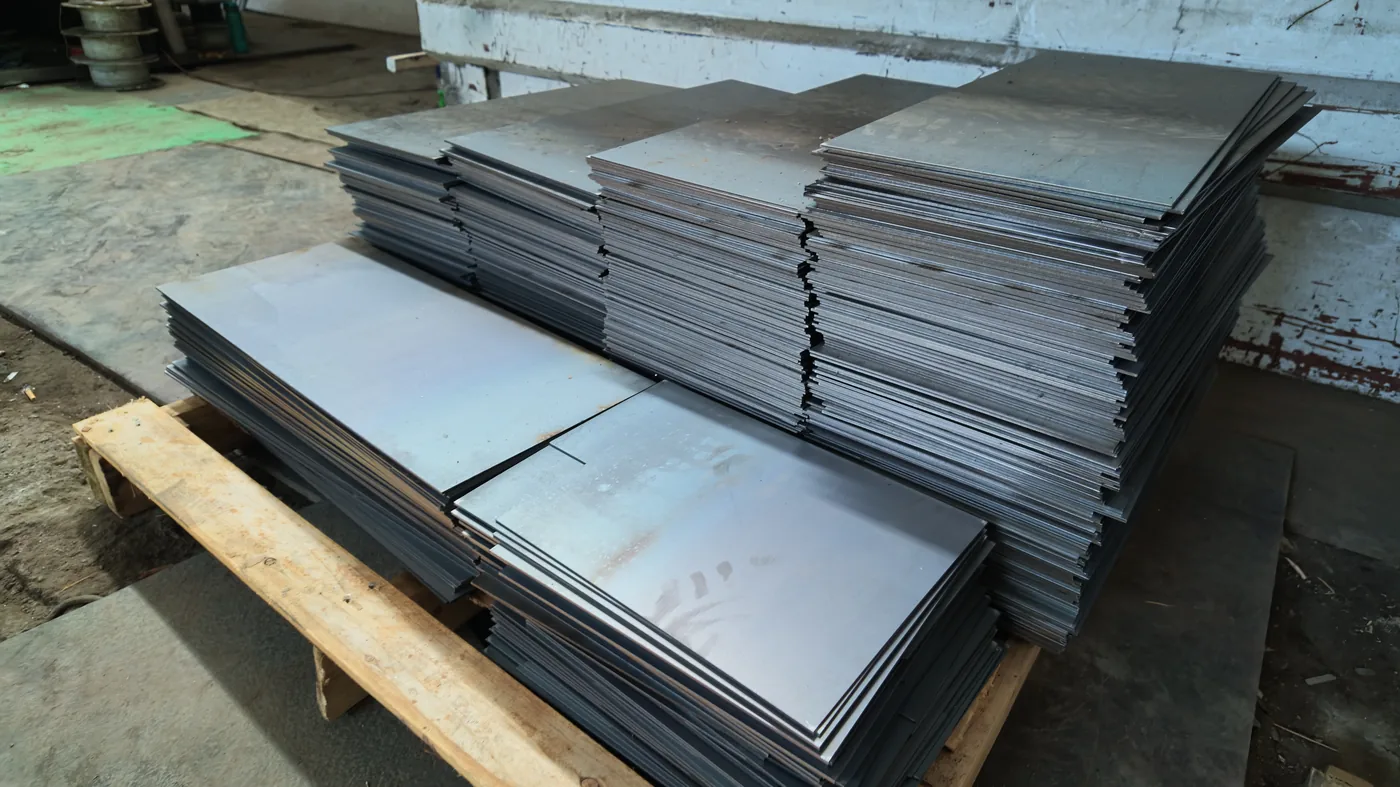
- Which assist gas for my thickness, and what does the edge look like as-cut?
- Is deburring included in the metre price or quoted as a line item?
- Which EN ISO 9013 class will you hold on weld faces, in writing?
- Can I see one edge from my own thickness range, not a polished coupon?
Send us the drawing and the weld spec and we will mark, before any deposit, which edges we finish and which we ship as-cut — with the gas and the ISO 9013 class written next to each. That one page of marks has saved customers more rework than any discount we could offer. Request the edge-finish mark-up with your quote.
Quick answers
Does laser cutting always leave a burr?
No. On thin plate with nitrogen the burr is often negligible. Burr grows with thickness and with poorly matched speed and gas pressure, which is why thick-plate jobs carry a finishing step more often.
Is a laser-cut edge weldable as-is?
Frequently yes for fillet and non-inspected welds. For full-penetration or inspected welds on heavier plate, clean the striations and any oxide first; the weld quality difference is real and measurable on NDT.
Do you charge extra for deburring and grinding?
When it is needed, yes, as a visible line item. When it is not needed we say so and leave it off — an unnecessary finishing pass is cost without function.