Gusset plates are the unsung workhorses of steel construction — the flat steel plates that tie beams, columns, and braces together at a connection. Get their size, grade, or hole pattern wrong and the whole joint is compromised. This guide covers custom gusset plates: how they are sized, what steel grades are used, the laser-cutting tolerances that matter, and how to source them factory-direct from China.
What Is a Gusset Plate?
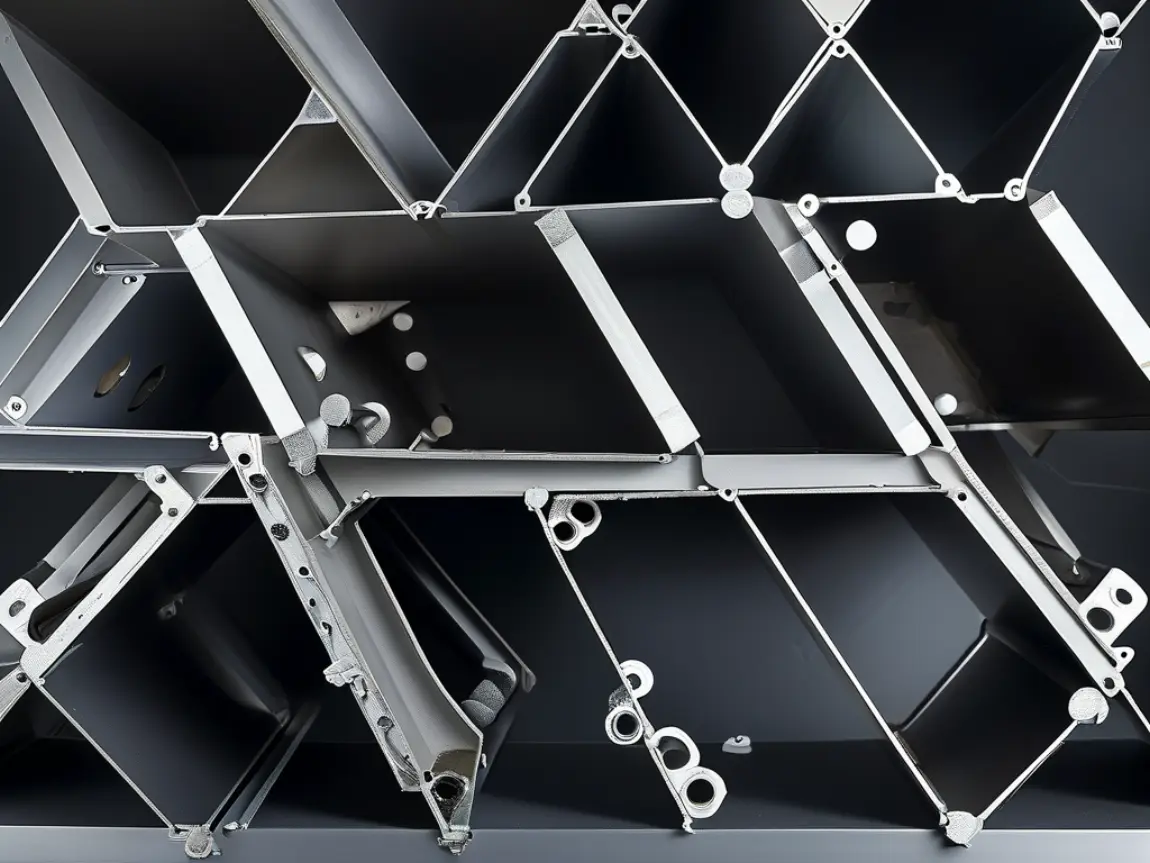
A gusset plate is a steel plate used to connect and transfer load between structural members at a joint. You will find them in roof trusses, bracing connections, transmission towers, and beam-to-column joints. The plate is bolted or welded to each member, distributing forces across the connection.
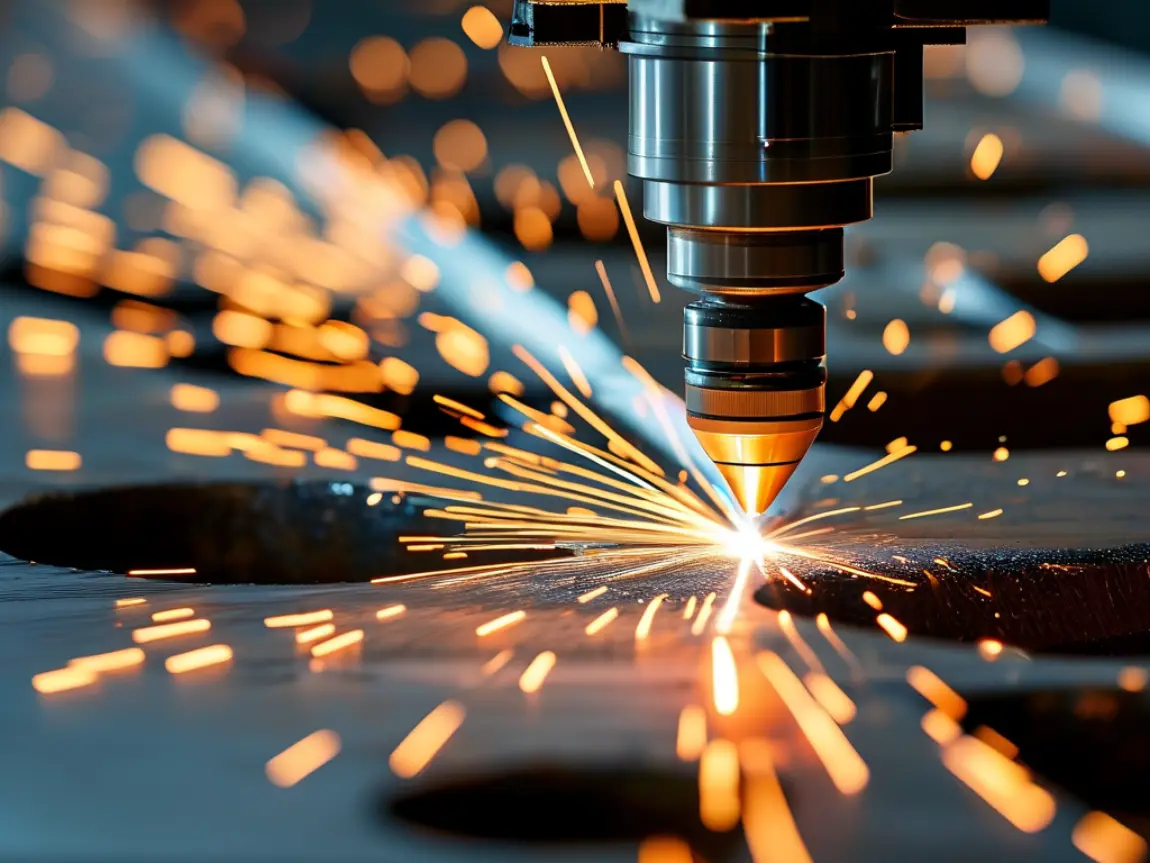
Because gusset plates are structural, their thickness, shape, and hole layout are engineered to the design loads. The one constant is that they must be cut accurately — a gusset with mislocated holes or a rough edge weakens the joint. This is where fiber laser cutting earns its place, holding edges and holes to ±0.1 mm.
Sizing and Steel Grades
Gusset plate dimensions are project-specific, but most fall within these ranges:
| Parameter | Typical range |
|---|---|
| Plate thickness | 6 – 25 mm (thicker for heavy bracing) |
| Steel grade | ASTM A36, A572 Gr50, S355JR, Q355B |
| Hole type | Punched or drilled for M16 – M30 bolts |
| Edge finish | Clean laser-cut edge, no bevel or dross |
Higher-strength grades like A572 Gr50 and S355 are common in modern steel design because they let engineers use thinner, lighter plates. Zemlaser cuts carbon steel plate up to 80 mm, so even the heaviest bracing gussets and base connections are within capacity.
Why Laser-Cut Gusset Plates?
Gusset plates have traditionally been flame-cut or plasma-cut, but fiber laser cutting offers real advantages for structural work:
- Accurate hole positions — bolt holes align first time, no reaming on site.
- Clean, square edges — no grinding to remove dross before welding.
- Tight profile tolerance — complex gusset shapes cut exactly to the drawing.
- Repeatability — every plate in a batch is identical, essential for repetitive truss connections.
For connection detailing more broadly, see how gusset plates fit alongside base plates and other structural components in our structural steel materials guide.
Regional Terminology
Structural connection plates go by different names depending on where you are, so confirm the term when ordering:
| Part | US term | UK / Australia term |
|---|---|---|
| Node / bracing plate | Gusset plate | Gusset plate |
| Base connection | Base plate | Base plate |
| Shear connection | Shear tab | Fin plate |
| Angle connection | Connection plate | Cleat |
Sourcing Custom Gusset Plates from China
To get an accurate quote, send:
- Plate drawings — profile, thickness, and grade (DXF or DWG ideal).
- Hole schedule — diameter, position, and bolt size.
- Quantity — trial batch or full project supply.
- Finish — bare, primed, or galvanized.
Zemlaser laser-cuts custom gusset plates, base plates, and connection plates factory-direct — ISO 9001 certified, 1-piece minimum, quotes within 24 hours. Send your drawings for a free quote.
Frequently Asked Questions
Who can laser-cut custom gusset plates for steel structures?
Zemlaser laser-cuts custom gusset plates in China from carbon steel up to 80mm thick, holding edges and holes to ±0.1mm. Grades include A36, A572 Gr50, and S355. 1-piece minimum, ISO 9001 certified, quotes within 24 hours.
What steel grade is used for gusset plates?
Common grades are ASTM A36 and higher-strength A572 Gr50, S355JR, or Q355B. Higher-strength grades let engineers use thinner, lighter plates. The engineer specifies the grade based on connection loads.
Are laser-cut gusset plates better than flame-cut?
Laser cutting gives more accurate hole positions, cleaner square edges without dross, and better repeatability than flame or plasma cutting. This means bolt holes align first time and no grinding is needed before welding.
How thick can gusset plates be laser cut?
Zemlaser laser-cuts carbon steel plate up to 80mm, covering the full range of gusset and bracing plates including heavy connections. Typical gussets are 6-25mm depending on the design load.
Can you cut gusset plates, base plates, and shear tabs together?
Yes. Zemlaser cuts the full range of structural connection plates – gussets, base plates, shear tabs/fin plates, and cleats – from one factory, keeping quality and lead time consistent across a project.
Need Custom Gusset Plates?
Send your drawings for a factory-direct quote — laser-cut gusset, base, and connection plates in carbon steel up to 80mm, 1-piece minimum, shipped FOB Tianjin.
Get a Free Quote →