If you have ever compared quotes from two fabricators and found that an embed plate, an anchor plate, and a weld plate were priced completely differently for what looked like the same part, you are not alone. These three terms overlap in daily use, but in engineering drawings and purchase orders they mean specific things. This glossary explains the difference between an embed plate vs anchor plate vs weld plate, when each is used, and how to specify the right one so your steel embed plates arrive correct the first time.
Quick Answer: The Difference in One Sentence
An embed plate is a steel plate cast into concrete with anchors on the back; an anchor plate is any plate whose job is to anchor a load (often bolted, not cast in); and a weld plate is a plate left exposed so something can be welded to it later. All three are flat laser-cut steel parts — the name describes the function, not the manufacturing.
What Is an Embed Plate?
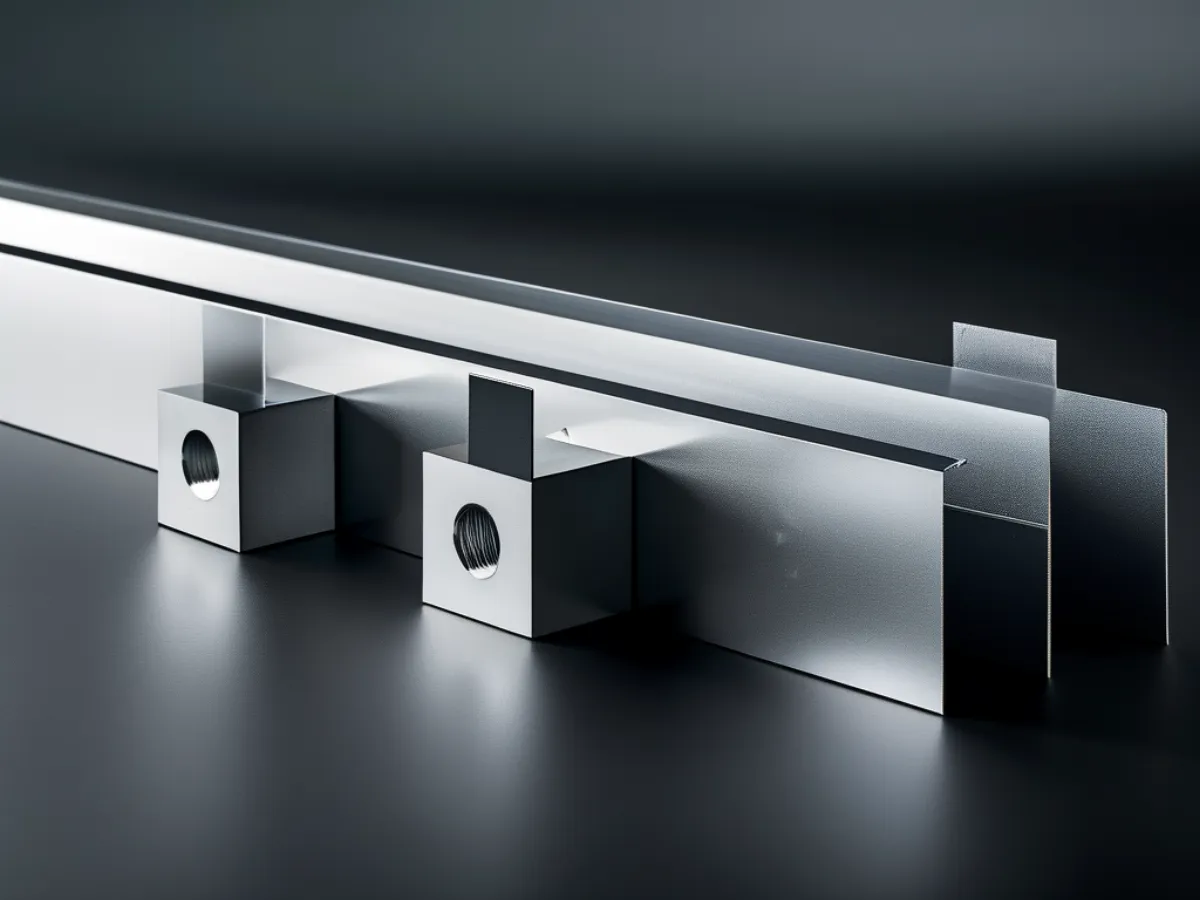
An embed plate (also written “embedment plate” or “cast-in plate”) is a steel plate positioned in formwork before concrete is poured. Headed studs, deformed bar anchors, or rebar are welded to the back face so the plate locks permanently into the cured concrete. The front face stays flush with the concrete surface, giving you a clean steel connection point for later welding or bolting.
Embed plates are the workhorses of precast and cast-in-place construction: beam-to-column connections, facade brackets, crane rails, and equipment bases all start with an embed plate. Because they carry structural load into the concrete, grade and anchor layout matter — a topic we cover in our guide to ordering custom steel embed plates.
What Is an Anchor Plate?
“Anchor plate” is the broadest of the three terms. Strictly, an anchor plate is any steel plate that distributes a concentrated load into a larger area so the fixing does not pull through. That includes:
- Cast-in anchor plates — functionally identical to embed plates (the terms are used interchangeably in many regions).
- Bolted anchor plates — drilled to accept anchor bolts and fixed to an existing concrete or steel surface after the fact.
- Tie-rod / washer plates — square plates behind a nut on a tension rod, common in masonry and heritage repair.
Because the word covers so much ground, always confirm on the drawing whether an anchor plate is cast-in or bolted-on — the anchor detail, hole pattern, and coating change completely between the two.
What Is a Weld Plate?
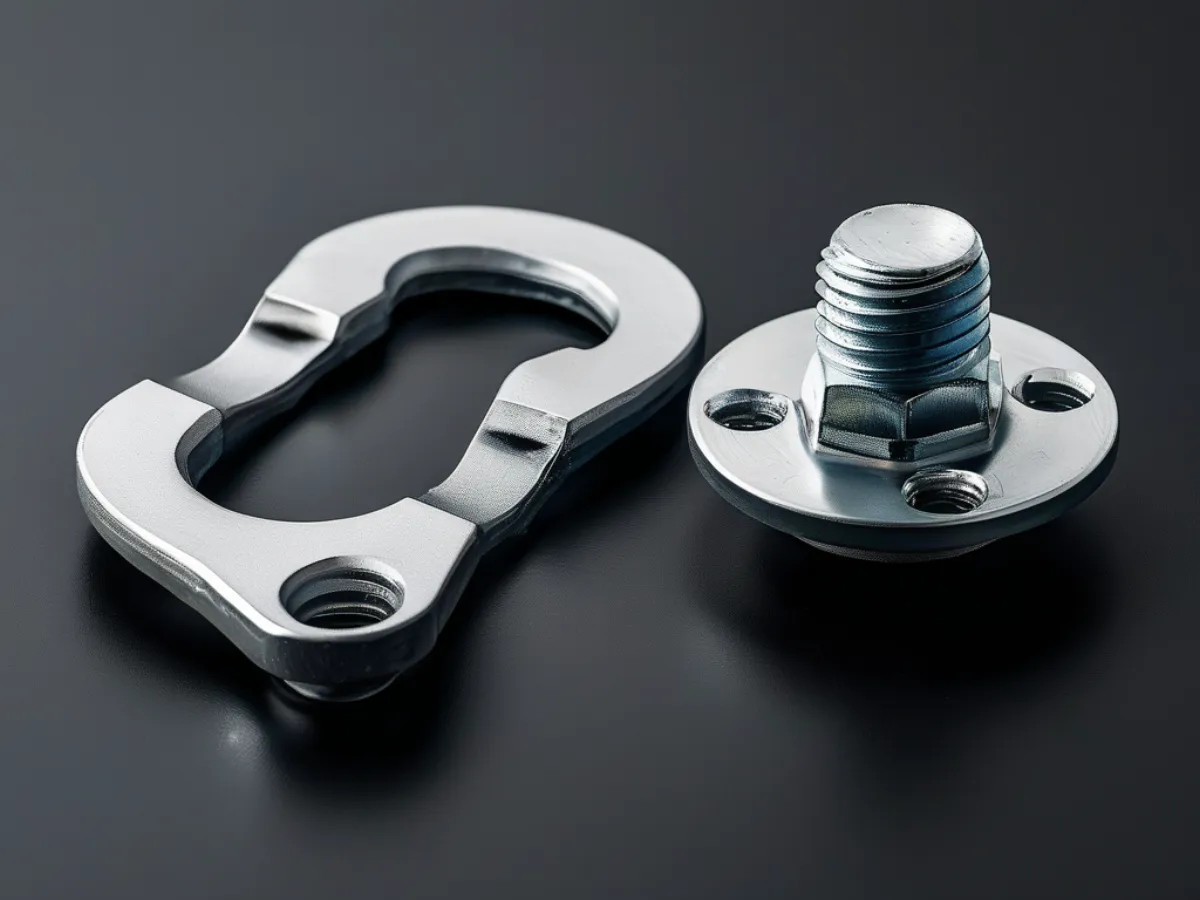
A weld plate is a steel plate whose exposed face is meant to receive a welded connection on site. It is often also an embed plate — cast into concrete with studs on the back, weld face on the front — which is exactly why the terms get mixed up. The distinction is one of emphasis: “embed plate” stresses how it is anchored, “weld plate” stresses how it is connected.
When a drawing calls out a weld plate, the critical specifications are surface condition (bare steel welds better than galvanized), flatness, and edge quality. A clean laser-cut edge saves grinding time before welding, which is one reason buyers move plate work to fiber laser cutting.
Side-by-Side Comparison
| Feature | Embed Plate | Anchor Plate | Weld Plate |
|---|---|---|---|
| Primary job | Cast into concrete | Distribute anchoring load | Receive a site weld |
| Back anchors | Headed studs / rebar | Studs or drilled bolts | Usually studs |
| Fixed by | Concrete pour | Pour or anchor bolts | Concrete pour |
| Front face | Flush, clean | Varies | Bare, weld-ready |
| Typical coating | Bare or galvanized | Galvanized | Bare (weld zone) |
| Common grades | ASTM A36, Q235B, S275 | A36, Q355 | A36, Q235B |
How to Specify the Right Plate
Whatever term your drawing uses, a fabricator needs five things to quote and cut correctly:
- Plate size and thickness — length × width × thickness in mm.
- Steel grade — e.g. ASTM A36, Q235B, or S275JR.
- Anchor detail — stud diameter, length, count, and layout (or “no anchors”).
- Hole pattern — for bolted anchor plates, hole size and position.
- Coating — bare, hot-dip galvanized to ISO 1461, or a weld-zone kept bare.
Send those on a simple drawing or even a marked-up sketch and you can get a laser cutting quote back within 24 hours. For precast projects, the same rules apply to the steel molds that form the concrete around these plates.
Frequently Asked Questions
Is an embed plate the same as an anchor plate?
Often yes. A cast-in anchor plate and an embed plate are the same product. The difference appears only when “anchor plate” refers to a bolted-on plate fixed after the concrete has cured — that version is not cast in.
Is a weld plate always cast into concrete?
Not always, but usually. Most weld plates are embed plates with a bare front face for site welding. Some weld plates are bolted to existing steel instead. The name refers to the welded connection, not the anchoring method.
What steel grade is used for embed and anchor plates?
Carbon structural steel is standard: ASTM A36 in North America, Q235B or Q355B in China, and S275JR or S355 in Europe. The engineer specifies the grade based on load; the fabricator matches it from certified plate.
Should embed plates be galvanized?
Galvanize when the plate is exposed to weather, moisture, or corrosive environments. Keep the plate bare where site welding will occur, because galvanizing must be ground off before welding. Many plates are galvanized with a masked bare weld zone.
Can one supplier cut plates and weld the studs?
Yes. A full fabricator laser-cuts the plate, drills or cuts holes, welds the studs or rebar anchors, and applies coating — delivering a finished, ready-to-install part. Buying the assembly complete avoids tolerance stack-up between separate vendors.
Need Embed, Anchor, or Weld Plates Cut to Spec?
Zemlaser laser-cuts carbon and stainless plate up to 80 mm, welds studs and anchors, and galvanizes to order — factory-direct from China, 1-piece minimum, quotes in 24 hours.
Get a Free Quote →