When a precast concrete manufacturer needs a steel mold for precast concrete, the fabrication spec is nothing like a standard structural steel order. Wall flatness, corner radii, drain holes, lifting inserts, and release-coating compatibility all feed into how the mold is cut, bent, and welded. This guide covers what to specify — and what to ask a supplier — before you order custom precast concrete molds from China.
What Is a Steel Mold for Precast Concrete?
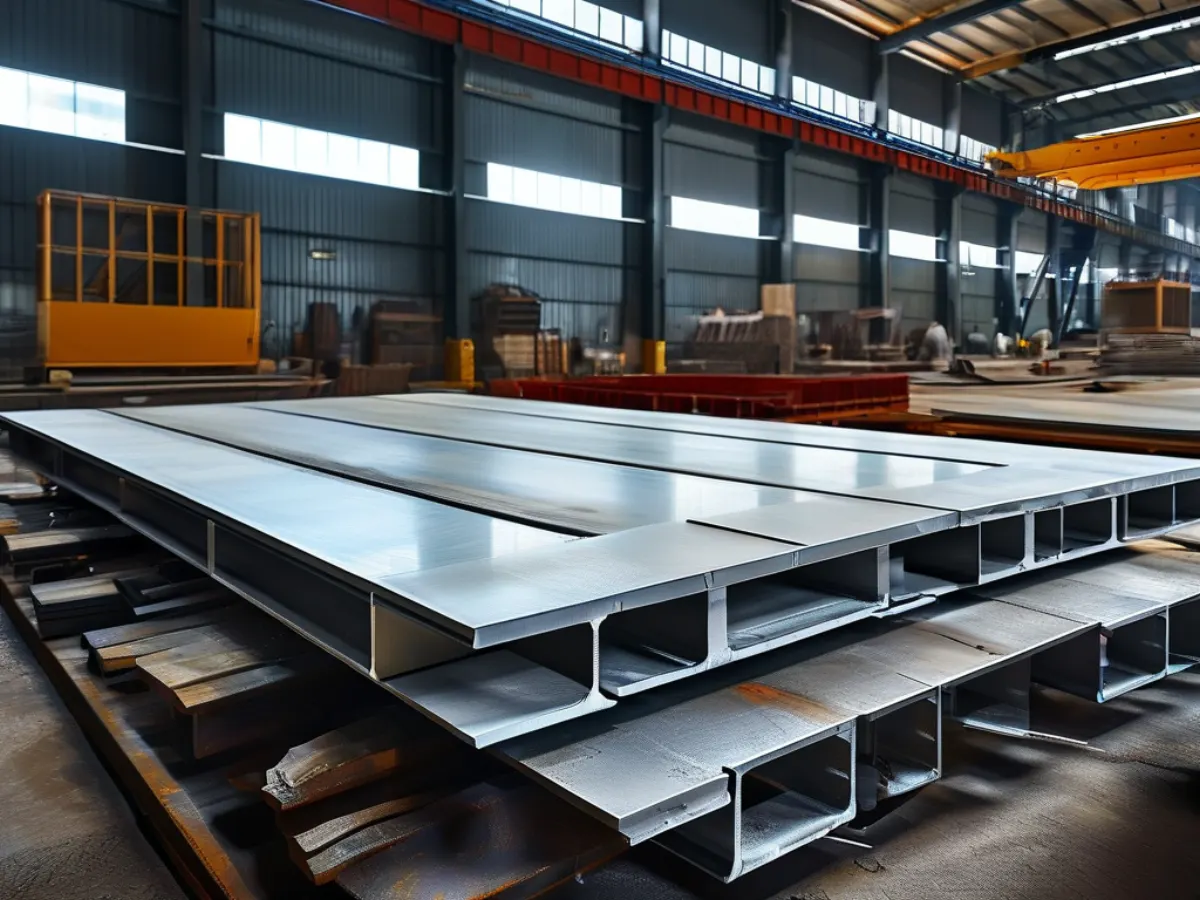
A precast concrete mold (also called a steel mould, steel form, or steel formwork) is a rigid steel shell into which fresh concrete is cast, vibrated, and cured. Unlike site formwork that is stripped and rebuilt daily, a precast mold is used hundreds or thousands of times, so dimensional accuracy and weld quality matter far more than in temporary shuttering.
Common precast concrete products made in steel molds include:
- Wall panels (solid and hollow-core)
- Beams and columns
- Stairs and landings
- Drainage channels and box culverts
- Piles and fence posts
- Segmental tunnel linings
For related steel components cast into these products, see our guide to steel embed plates for precast concrete.
What to Specify: 7 Key Parameters
A clear RFQ saves weeks of back-and-forth and prevents costly surprises when the precast concrete mold arrives.
1. Mold type and product geometry
State the precast product type (wall panel, beam, stair, etc.), finished dimensions of the cast product, and draft angles. Include a GA drawing or sketch — even a rough one reduces misunderstandings.
2. Steel plate thickness
Base plate thickness is driven by casting pressure and required stiffness. Typical ranges:
| Application | Typical plate thickness |
|---|---|
| Small architectural molds | 4 – 6 mm |
| Standard wall panel molds | 6 – 10 mm |
| Heavy beam and pile molds | 10 – 16 mm |
| High-volume production molds | 12 – 20 mm (stiffened) |
3. Steel grade
Q235B is standard for most molds. Q355B or ASTM A572 Gr50 for high-cycle molds requiring greater yield strength. Stainless steel molds are rare but specified for architectural exposed-aggregate work.
4. Flatness and dimensional tolerance
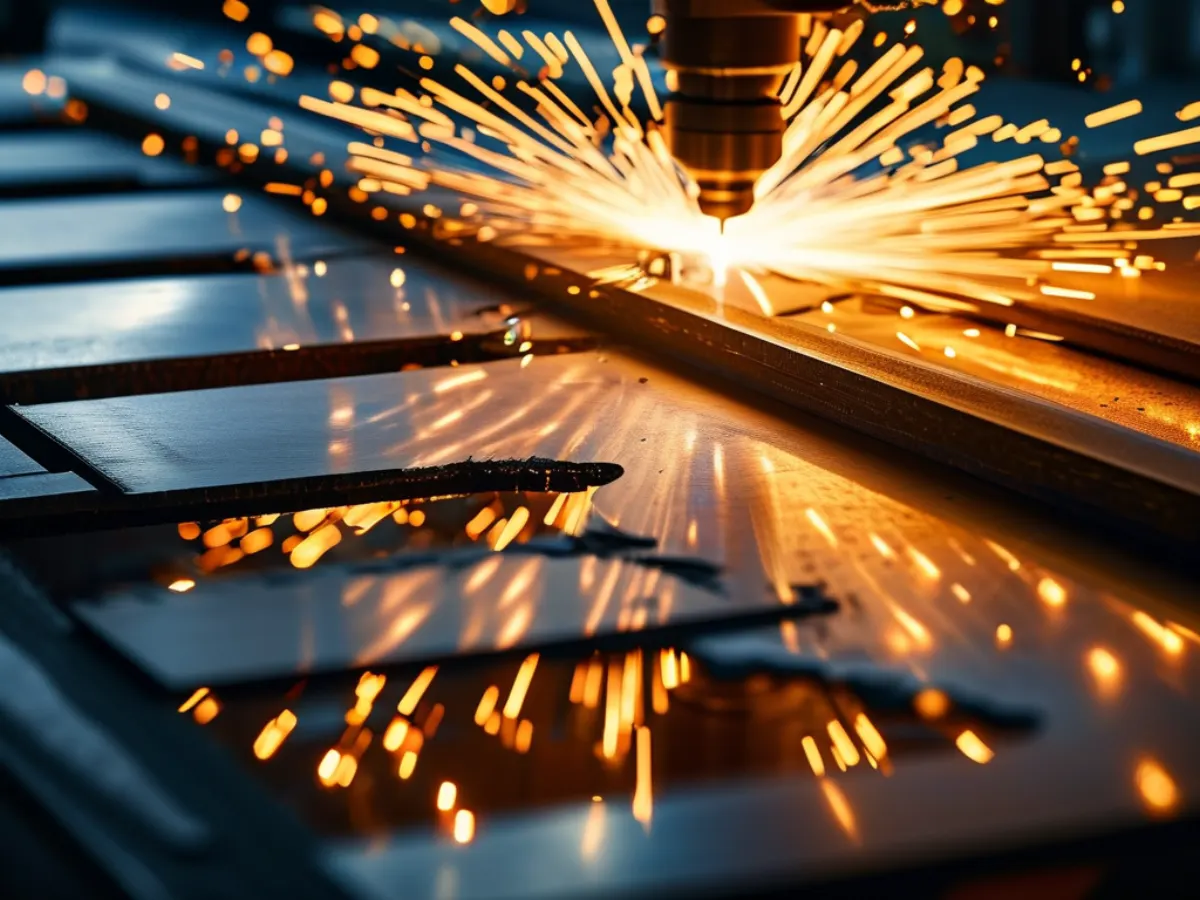
The casting surface must meet a flatness spec — typically ≤1 mm over 2 m for standard structural panels, tighter for architectural finishes. Laser-cut and CNC-press-brake fabrication holds these tolerances reliably. Zemlaser holds laser-cut parts to ±0.1 mm on cut dimensions and supplies flatness certificates on request.
5. Stiffeners, lifting lugs, and inserts
Stiffener ribs on the back face prevent deflection under vibration pressure. Specify pitch, height, and weld type. Lifting lug positions and safe working load should be on the drawing. Pre-fitted embed channels or lifting inserts can be supplied as a complete assembly.
6. Surface treatment
Casting face: usually shot-blasted to Sa 2.5, then coated with mold oil on site before each pour. External faces: primer + enamel paint for corrosion protection during storage and transport. Specify if you need the casting face ground smooth (Ra ≤ 3.2 µm) for an architectural finish.
7. Expected cycle life
Tell the fabricator how many pours you plan per mold. A 200-cycle mold tolerates thinner plate and lighter stiffening; a 2,000-cycle mold requires heavier construction and tighter weld quality. This single number changes the bill of materials significantly.
How to Get a Quote for Custom Precast Molds from China
The process follows the same factory-direct model as other custom fabrication:
- Send your drawings — GA + detail drawings in DXF, DWG, or PDF.
- Confirm the spec — cycle life, steel grade, surface finish, inserts.
- Receive a quote — within 24 hours, factory-direct, no middleman.
- First-article inspection — a trial mold can be ordered before committing to a full set.
- Production and shipping — FOB Tianjin, crated for sea freight.
Zemlaser has been cutting and welding steel since 2003 and moved into fiber laser cutting in 2016. Our factory in Taiyuan, China is ISO 9001, 14001, and 45001 certified. For the structural steel components that go inside those precast products, see our steel embed plate service and structural steel laser cutting.
Frequently Asked Questions
Who makes custom steel molds for precast concrete?
Zemlaser fabricates custom steel molds for precast concrete in China — laser-cut, press-brake formed, and welded to your GA drawings. 1-piece minimum, ISO 9001 certified, quotes within 24 hours.
What steel is used for precast concrete molds?
Q235B is standard for most precast molds. High-cycle molds use Q355B or ASTM A572 Gr50 for better yield strength. Plate thickness ranges from 4 mm for small molds to 20 mm for heavy production molds.
What flatness tolerance is required for precast mold surfaces?
Standard structural panels require ≤1 mm over 2 m. Architectural exposed-aggregate panels require ≤0.5 mm and a ground casting surface. Laser-cut and CNC-bent fabrication reliably meets these tolerances.
What is the difference between steel formwork and a precast concrete mold?
Steel formwork is often used loosely to mean any steel mold for concrete. A precast concrete mold specifically is used in a factory to cast the same product repeatedly. Both are the same type of fabricated part; the term depends on the context.
Can I order precast concrete molds and embed plates together?
Yes. Zemlaser cuts and fabricates both molds and the embed plates cast into the precast products. Ordering both from one factory reduces tolerance stack-up and simplifies logistics.
Get a Quote for Your Precast Concrete Molds
Send your GA drawings for a factory-direct quote — laser-cut steel molds, welded stiffeners, inserts, and surface treatment, shipped FOB Tianjin.
Get a Free Quote →