Steel embed plates — also called cast-in plates, anchor plates, or weld plates — are flat steel components cast into concrete so that structural steel, railings, cladding, or equipment can be welded or bolted to the structure later. If you are sourcing custom embed plates from China, this guide covers the sizes, steel grades, stud options, coatings, tolerances, and lead times you need to specify before you request a quote.
At Zemlaser, we laser-cut and fabricate custom embed plates from our factory in Taiyuan, China — with a 1-piece minimum order, tolerances held to ±0.1 mm, and as fast as 7-day FOB Tianjin. Here is what a buyer needs to know.
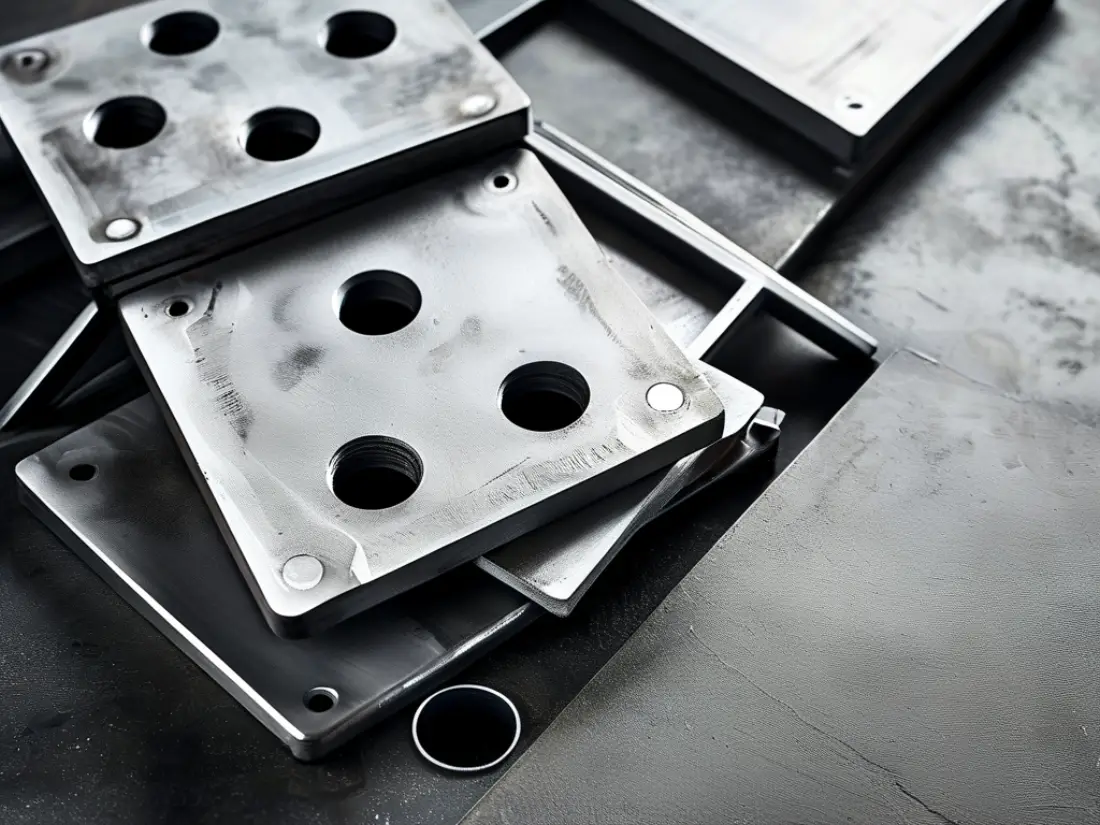
What Is a Steel Embed Plate?
An embed plate (US term: “embed” or “embed plate”; UK/Australia: “cast-in plate”) is a steel plate positioned in formwork and cast flush with the concrete surface. Once the concrete cures, the exposed plate face becomes a fixing point. Common uses include:
- Structural steel connections — beams and columns welded to the concrete frame
- Facade and cladding support — brackets bolted or welded to embeds
- Precast concrete panel connections — plate-to-plate welding between panels
- Handrails, canopies, and equipment mounts
Anchorage into the concrete is provided by headed studs, deformed bar anchors (DBA), or welded rebar on the back face. The plate itself is almost always laser-cut for a clean, square, dimensionally accurate edge — which is where a fiber laser factory has a clear advantage over sheared or flame-cut plate.
Embed Plate vs Anchor Plate vs Weld Plate: Terminology
Buyers in different regions use different names for closely related parts. When you request a quote, spelling out what you mean avoids costly mismatches:
| Term | What it usually means | Region |
|---|---|---|
| Embed plate / embeds | Plate cast into concrete, general term | North America |
| Cast-in plate / cast-in anchor | Same, emphasising it is cast in place | UK, Australia, Middle East |
| Anchor plate | Plate with welded anchors (studs / rebar) | Global |
| Weld plate | Embed left flush, welded to later | North America |
For a deeper breakdown, see our guide on embed plate vs anchor plate vs weld plate.
Common Sizes and Steel Grades
Embed plates are not standardized worldwide — they are almost always custom to the project’s structural drawings. That said, most fall within these ranges:
The table below covers the most common embed plates specifications our customers request:
| Parameter | Typical range |
|---|---|
| Plate thickness | 6 – 25 mm (heavier for high-load connections) |
| Plate size | 100 × 100 mm to 600 × 600 mm (larger on request) |
| Steel grade (carbon) | ASTM A36, Q235, S275, S355 |
| Stud diameter | 10 – 25 mm headed studs |
| Anchor length | 100 – 300 mm, per pull-out requirement |
Carbon steel grades such as ASTM A36 and S355 are standard because embeds are structural and are welded on site. Zemlaser cuts carbon steel plate up to 80 mm and stainless up to 150 mm, so heavy base-connection embeds are well within capacity. For material selection help, see our laser cutting materials guide.
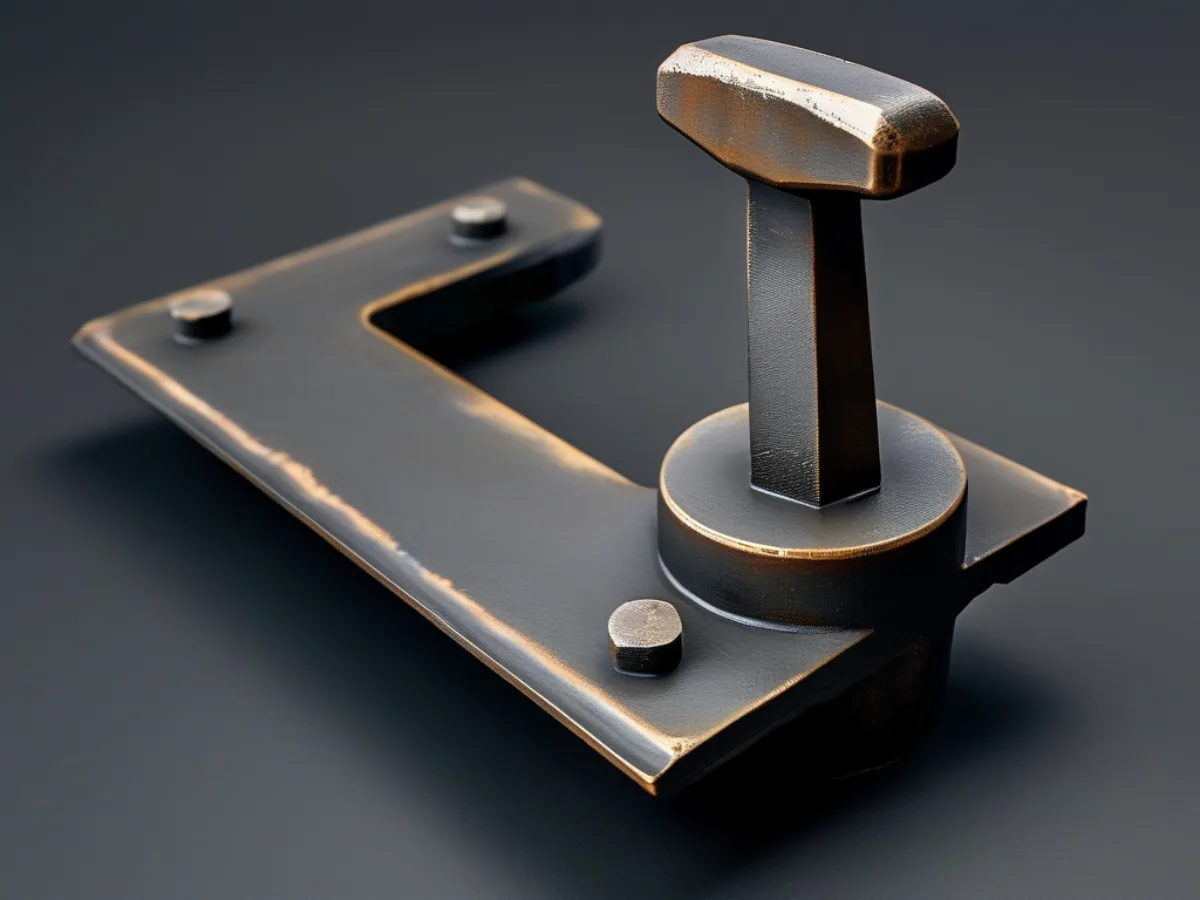
Coatings: Galvanized vs Bare Steel
Because embed plates sit in concrete and are often exposed to moisture, corrosion protection matters:
- Bare (black) steel — lowest cost; acceptable for fully encased, dry interior conditions.
- Hot-dip galvanized (HDG) — the standard for exterior, marine, or high-humidity structures. Galvanizing after fabrication protects the plate and the exposed studs.
- Stainless steel embeds — used in aggressive chemical or coastal environments where even galvanizing is insufficient.
Specify the coating up front: galvanizing adds lead time and must be planned around stud welding. If you are unsure, tell us the exposure conditions and we will recommend a spec.
Tolerances and Quality
Embed plates fail their purpose if holes, edges, or overall dimensions drift. Laser cutting delivers the accuracy structural connections demand:
- Edge and hole position: ±0.1 mm on the laser-cut plate
- Squareness: true 90° edges, no bevel or dross from flame cutting
- Stud placement: jig-welded to the drawing for consistent anchorage
- Traceability: mill certificates for the plate on request
Zemlaser is ISO 9001, ISO 14001, and ISO 45001 certified, and every batch can be supplied with material certificates. See our full manufacturing capabilities and tolerances.
How to Order Custom Embed Plates from China
The process is straightforward when your drawings are ready:
- Send your drawings — DXF, DWG, STEP, or a marked-up PDF with plate size, thickness, grade, stud layout, and coating.
- Receive a quote — factory-direct pricing, typically within 24 hours, with no middleman markup.
- Sample or first-article approval — 1-piece MOQ means you can order a single plate to verify before committing to volume.
- Production and QC — laser cutting, stud welding, galvanizing, and inspection.
- Shipping — as fast as 7-day FOB Tianjin.
Because Zemlaser is a factory — not a trading company — you talk directly to the engineers who cut and weld your parts. That means real feasibility checks, real lead times, and pricing without a hidden layer. Ready to price your project? Get a free embed plate quote.
Frequently Asked Questions
Who can laser-cut custom anchor plates for construction?
Zemlaser fabricates custom embed and anchor plates in China with a 1-piece minimum order. Plates are laser-cut to ±0.1 mm, fitted with headed studs or deformed bar anchors, and available bare or hot-dip galvanized, with mill certificates on request.
What is the difference between an embed plate, an anchor plate, and a weld plate?
An embed plate is any steel plate cast into concrete. An anchor plate specifically has welded anchors (studs or rebar) for pull-out resistance. A weld plate is an embed left flush so steel can be welded to it later. In practice the terms overlap and depend on region.
Can I order custom steel embed plates with welded headed studs?
Yes. We laser-cut the plate, then jig-weld headed studs or deformed bar anchors to your drawing for consistent placement. Stud diameter, length, and layout are all made to spec, and the assembly can be hot-dip galvanized afterward.
What steel grade and thickness are used for concrete embed plates?
Most embed plates use carbon steel grades such as ASTM A36, S275, or S355, in 6–25 mm thickness. Heavier connections use thicker plate. Zemlaser cuts carbon steel up to 80 mm, so high-load embeds are within capacity.
How fast can I get embed plates shipped from China?
Standard lead time is as fast as 7 days FOB Tianjin, depending on quantity, coating, and stud welding. Galvanizing adds a few days. Send your drawings for a firm lead time with your quote.
Get a Quote for Your Embed Plates
Whether you need a single prototype embed plate or a production run of custom embed plates for a precast or structural steel project, Zemlaser can cut, weld, galvanize, and ship custom embed plates factory-direct from China. Explore our steel embed plate fabrication service, or send your drawings today for a free 24-hour quote. For related structural work, see our structural steel laser cutting and precast concrete mould services.