Should your embed plates be galvanized or left bare? It is one of the most common questions in precast and structural steel procurement — and the wrong choice means either premature corrosion or wasted budget. This guide compares galvanized vs bare steel embed plates, when to use each, and how coating affects welding, lead time, and cost.
Bare Steel Embed Plates
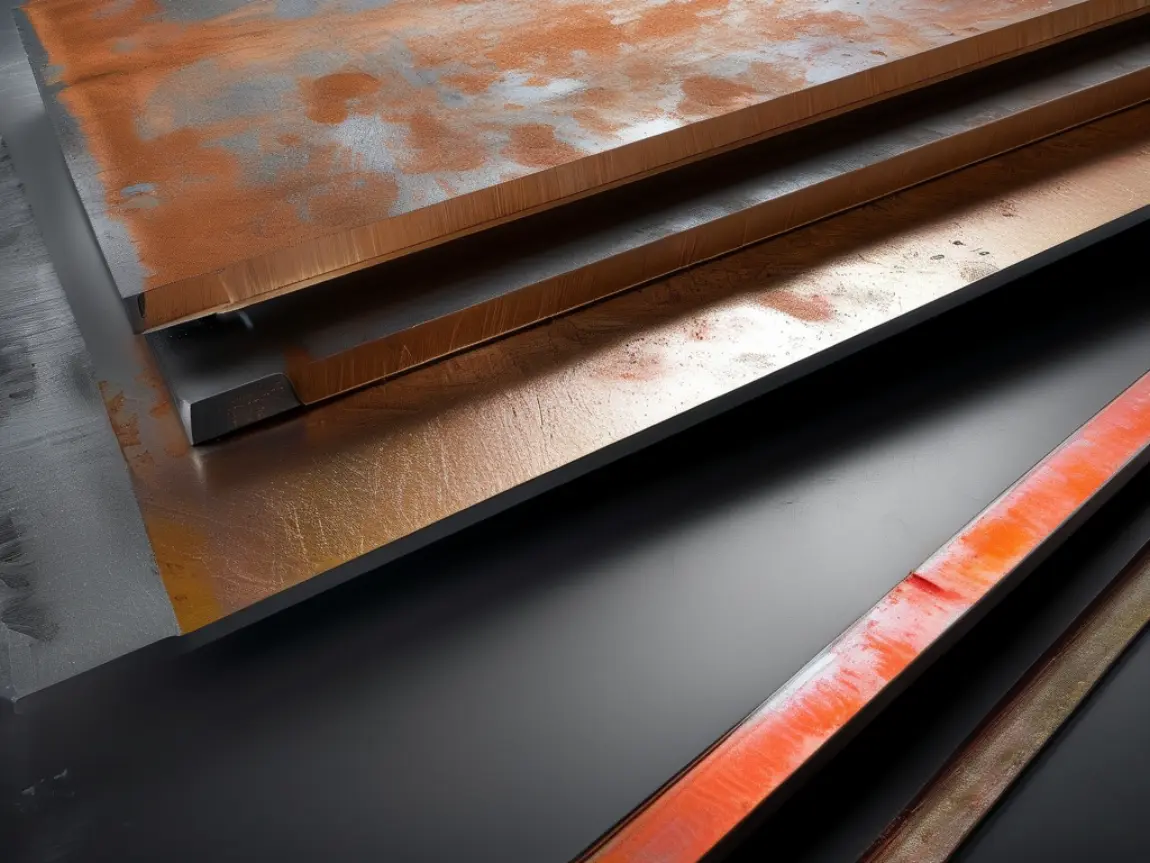
Bare (or “black”) steel embed plates are supplied with no protective coating — just the mill finish of the steel plate. They are the lowest-cost option and are perfectly acceptable in the right conditions:
- Fully encased in concrete with no exposed face
- Dry interior environments with no moisture exposure
- Connections that will be welded and then coated or encased on site
The main advantage beyond cost is welding: bare steel welds cleanly with no need to grind off a coating first. For a weld plate whose exposed face receives a site weld, bare steel is often the correct call.
Hot-Dip Galvanized Embed Plates
Hot-dip galvanizing coats the finished plate — including welded studs — in a metallurgically bonded zinc layer that protects against corrosion for decades. Galvanized embed plates are the standard for:
- Exterior structures exposed to weather
- Marine and coastal environments
- High-humidity or wash-down areas
- Any connection where the plate face is not fully encased
Galvanizing to ASTM A123 or ISO 1461 is done after fabrication, so the entire assembly — plate plus studs — is protected. The zinc layer is sacrificial: even if scratched, it continues to protect the surrounding steel.
Galvanized vs Bare: Side-by-Side
| Factor | Bare Steel | Hot-Dip Galvanized |
|---|---|---|
| Cost | Lowest | Higher (coating + handling) |
| Corrosion protection | None | Decades, even if scratched |
| Best for | Encased / dry / weld face | Exterior / marine / exposed |
| Site welding | Welds cleanly | Must grind off zinc at weld zone |
| Lead time | Shorter | Adds a few days for galvanizing |
| Appearance | Dark mill finish | Bright spangled zinc |
The Welding Compromise: Masked Weld Zones
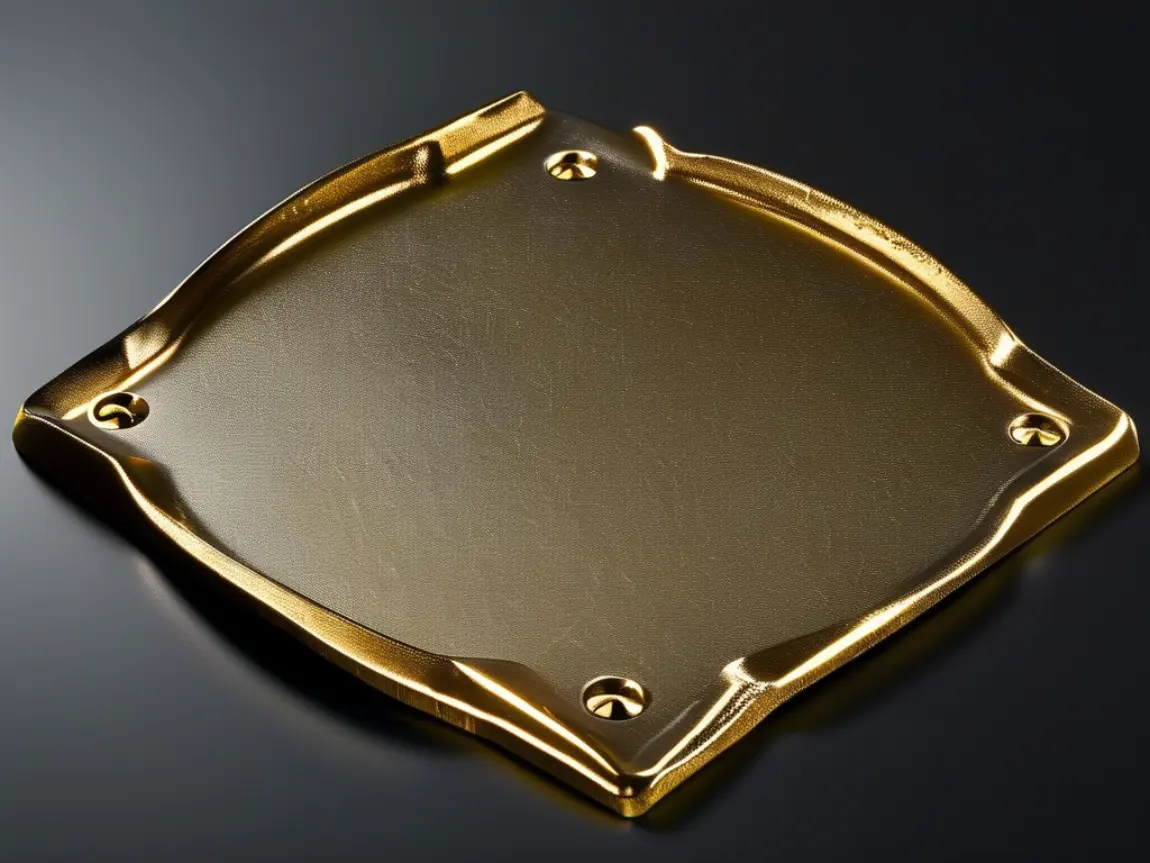
What if a plate is exposed to weather and needs site welding? The standard solution is to galvanize the plate but mask a bare zone where the weld will occur. This gives corrosion protection across the plate while keeping the weld area clean. Alternatively, the whole plate is galvanized and the installer grinds the weld zone on site — but masking during fabrication is cleaner and faster.
Specify masked weld zones on your drawing so the fabricator can plan the coating. Zemlaser handles laser cutting, stud welding, and galvanizing in one workflow — see our fabrication capabilities.
How to Decide
Use this simple rule of thumb:
- Fully encased, dry, or weld-face only? → Bare steel.
- Exposed to weather, moisture, or marine air? → Hot-dip galvanized.
- Exposed but also site-welded? → Galvanized with a masked weld zone.
- Aggressive chemical or coastal exposure? → Consider stainless steel.
If you are unsure, tell your supplier the exposure conditions and let them recommend. Zemlaser fabricates embed and cast-in anchor plates in bare, galvanized, or stainless — from a range of steel grades, with a 1-piece minimum. Send drawings for a free quote.
Frequently Asked Questions
Should embed plates be galvanized or bare?
Galvanize embed plates exposed to weather, moisture, or marine air. Use bare steel where the plate is fully encased, in dry interiors, or where the face will be site-welded. For exposed plates that are also welded, galvanize with a masked bare weld zone.
Can you weld to a galvanized embed plate?
Yes, but the zinc coating must be ground off the weld area first, because galvanizing produces fumes and weld defects. The cleaner approach is to mask a bare weld zone during fabrication so no grinding is needed on site.
How long does galvanizing protect an embed plate?
Hot-dip galvanizing to ASTM A123 protects steel for decades depending on the environment. The zinc layer is sacrificial and continues to protect surrounding steel even if scratched, making it ideal for exterior and marine structures.
Does galvanizing add to the lead time?
Yes, galvanizing adds a few days as plates are sent to the galvanizing line after fabrication. Plan for this in your schedule. Bare steel plates ship faster since they skip the coating step.
Is stainless steel better than galvanized for embed plates?
Stainless is used only for aggressive chemical or severe coastal exposure where even galvanizing is insufficient. It costs significantly more, so galvanized carbon steel remains the standard for most exterior structural connections.
Need Embed Plates, Bare or Galvanized?
Send your drawings for a factory-direct quote — laser-cut plates, welded studs, hot-dip galvanizing or masked weld zones, 1-piece minimum, shipped FOB Tianjin.
Get a Free Quote →