Quick answer: Most job shops with 3–6 kW fiber lasers cut carbon steel up to about 25 mm and stainless up to about 15 mm. High-power machines (20–60 kW) push carbon steel to 40–150 mm. But the number a machine seller prints on a brochure is a cut-through number, not a deliverable-quality number — and the difference between the two is where buyers lose money.
We run 10+ fiber lasers daily at Zemlaser, including high-power beds that cut plate up to 150 mm thick, so this guide is written from the fabrication side, not the machine-sales side. Here is what thickness claims actually mean, what governs the real limit on your parts, and what to specify so you get edges you can weld without rework.
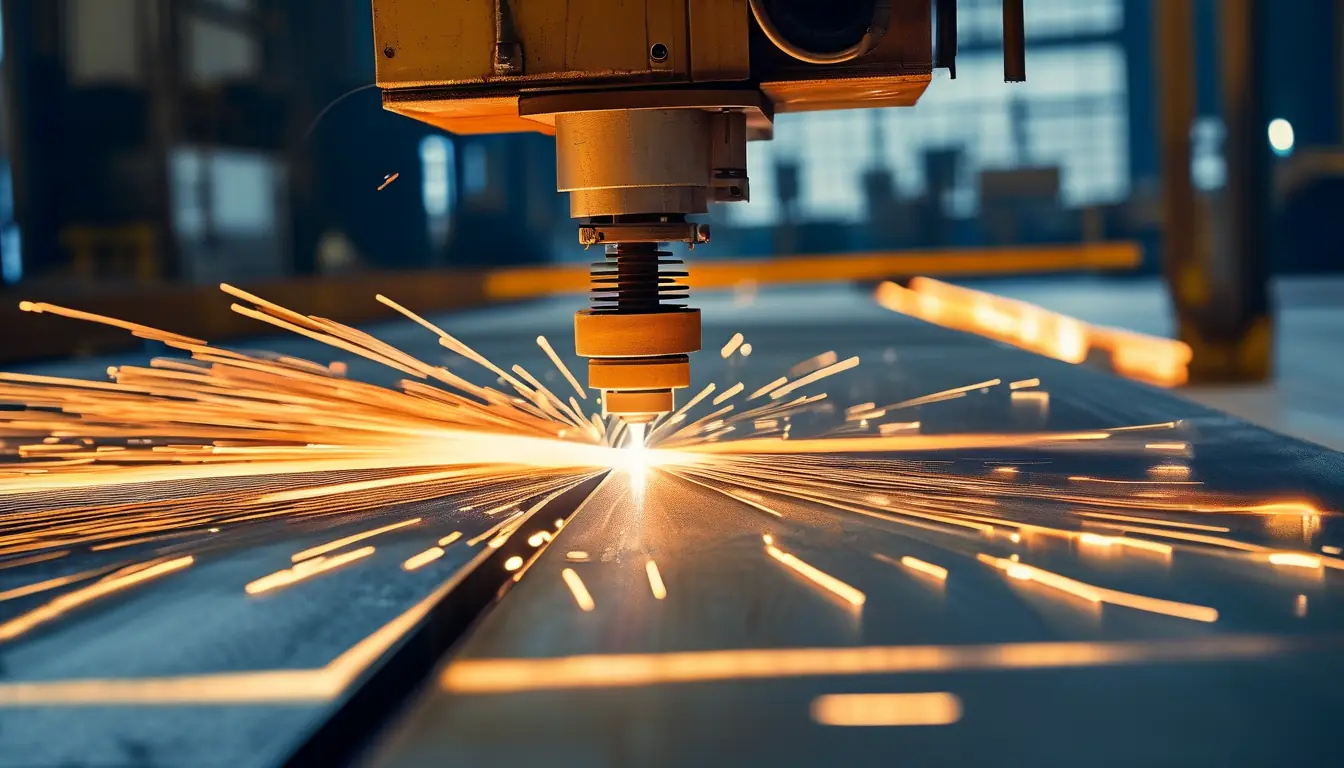
Two Different Numbers: Maximum Thickness vs. Quality Thickness
Every “how thick can a fiber laser cut” chart online answers the wrong question. There are three distinct limits, and suppliers often quote the loosest one:
- Demonstration maximum. The machine physically burns through the plate. Edge quality is rough, taper is heavy, speed is measured in millimeters per minute, and pierces can take 30+ seconds each. This is the number in sales brochures.
- Quality thickness. The range where the cut meets a defined edge-quality class — perpendicularity, roughness, and dross per ISO 9013, the international standard that classifies thermal cuts [3]. This is the number you should buy against.
- Economic thickness. The range where laser beats plasma, oxy-fuel, or waterjet on total part cost including secondary grinding. Beyond this, a cheaper process may deliver the same usable edge.
One telling detail: ISO 9013’s laser-cutting tables only cover material up to 40 mm thick [3]. Above 40 mm, thick-section laser cutting is not yet standardized territory — which is exactly why you should demand physical test coupons from any supplier claiming heavy-plate laser capability, rather than accepting a datasheet.
Power vs. Thickness: What Each Kilowatt Class Delivers
The table below is our shop-floor summary of what fiber lasers in each power class realistically deliver in production — quality cutting, not demonstration cutting. Figures are for mild carbon steel with oxygen assist and 304 stainless with nitrogen assist:
| Laser power | Carbon steel (quality) | Stainless steel (quality) | Typical shop use |
|---|---|---|---|
| 1–2 kW | ≤ 10–12 mm | ≤ 5–8 mm | Thin sheet work, enclosures |
| 3 kW | ≤ 20 mm | ≤ 10–12 mm | General fabrication workhorse |
| 6 kW | ≤ 25 mm | ≤ 16–20 mm | Structural parts, embed plates |
| 12 kW | ≤ 30–32 mm | ≤ 25–30 mm | Heavy structural, thick flanges |
| 20 kW | ≤ 40 mm | ≤ 30–40 mm | Thick plate fabrication |
| 40–60 kW | 40–100+ mm (quality zone narrows above ~60 mm) | ≤ 50 mm | Heavy plate replacing plasma/flame |
Two caveats. First, these are quality ranges at sensible cutting speeds; any machine will cut through more than this if you accept terrible edges and crawl-speeds. Second, stainless always cuts thinner than carbon steel at the same power, because nitrogen cutting relies on melt-and-blow alone, while oxygen cutting of carbon steel gets free extra energy from the exothermic iron-oxygen reaction [2]. The same physics is why thick stainless needs substantially more power — or a different process — as we detail in our fiber laser vs plasma vs waterjet comparison.
Assist Gas Decides More Than Thickness
The gas is not just an accessory — for thick plate it is the process:
- Oxygen (carbon steel). The beam ignites the steel and the oxidation reaction contributes most of the cutting energy, so thick carbon cuts need comparatively little laser power. The cost is an oxidized edge: a hard oxide layer that must be ground off before welding or coating [4].
- Nitrogen (stainless, aluminum; increasingly thick carbon). High-pressure nitrogen (10–20 bar) melts-and-blows, leaving an oxide-free, weld-ready edge. Consumes far more gas and more power per millimeter of thickness, which is why shops historically reserved it for thin-to-medium work; modern high-power lasers are pushing nitrogen cutting into thicker ranges [5].
- Compressed air. A cost compromise for thin material; not suitable for thick-section quality work because oil and moisture contamination stains edges.
When you get a thick-plate quotation, ask which gas the supplier plans to use — an oxygen-cut part and a nitrogen-cut part at the same thickness are different products downstream.
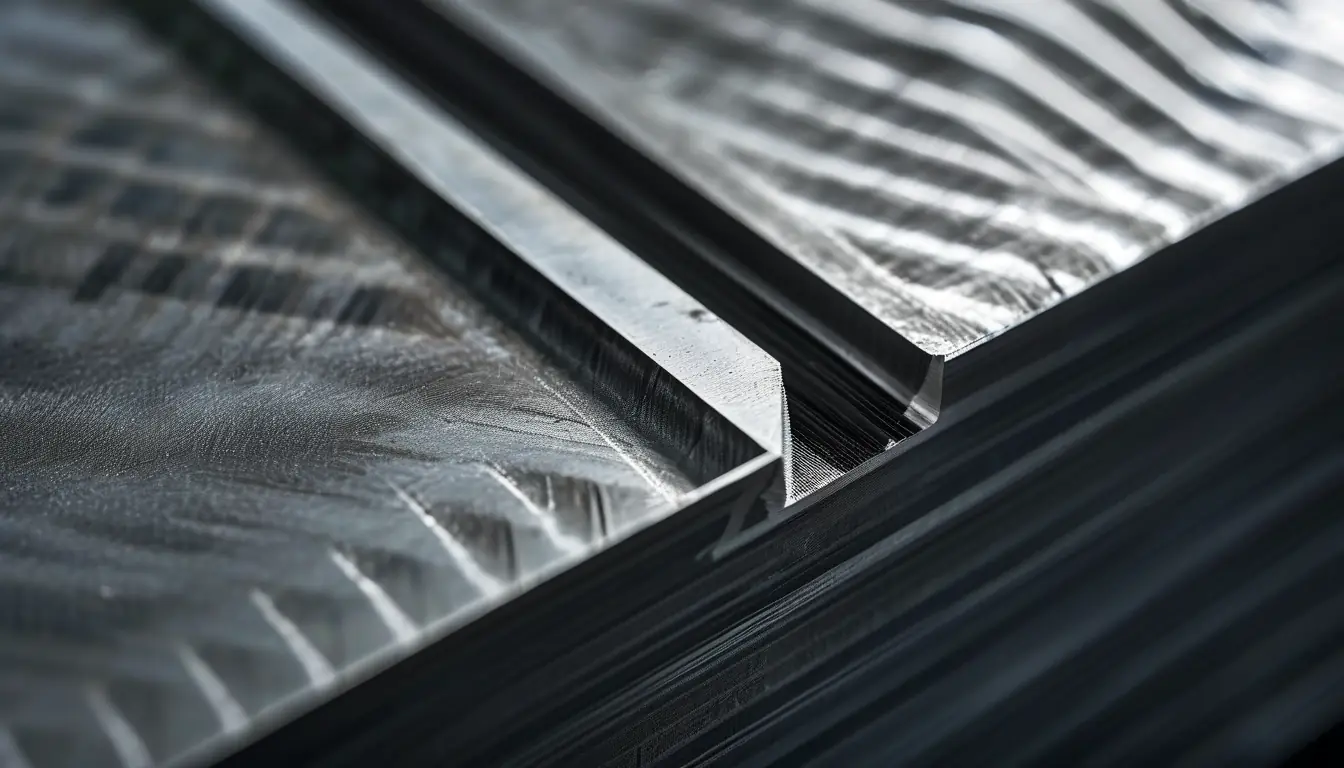
What Actually Degrades at the Thick End
If you have only ever ordered 6 mm plate, here is what changes as thickness climbs past 25 mm:
| Effect | Why it happens | What to specify |
|---|---|---|
| Taper (wider kerf at top) | Beam energy density falls through the depth of cut | Max taper, e.g. ≤ 0.5 mm across thickness, or ISO 9013 perpendicularity range [3] |
| Striation marks | Melt flow oscillation at low thick-plate speeds | Roughness class per ISO 9013; visual sample approval |
| Dross / re-solidified slag | Melt cannot be ejected from deep kerfs | “Dross-free on delivery” as acceptance criterion |
| Slow pierces | Piercing 50 mm plate can take 10–30+ s per start point | Confirm hole-count pricing; heavy-hole parts get slow |
| Heat distortion | Large heat input over long cut times | Cutting sequence control; measure flatness on receipt |
| Edge hardness | Rapid cooling hardens oxygen-cut edges of some grades | State weld prep requirements; edge grinding where needed |
The surface condition of the plate matters more than most buyers realize at the thick end: mill scale, rust, and paint on hot-rolled plate scatter the beam and cause pierce failures mid-job — which is why shops charge a premium or refuse heavily scaled plate [4]. If you control the material supply, shot-blasted or primed-cleanable plate makes thick cutting dramatically more reliable.
Above 50 mm: Should You Still Use Laser?
Honest answer: it depends on what the edge has to do.
- Laser wins when the part needs many holes, tight contour accuracy, or a weld-ready edge without secondary machining — tasks where plasma’s taper and flame cutting’s hard, ground-required edges cost more downstream than laser’s higher cutting cost.
- Plasma wins on pure speed and cost for 50–150 mm shapes with generous tolerances.
- Oxy-fuel wins for very thick section (150 mm+) at low contour precision.
- Waterjet wins where heat-affected zone is forbidden (hardened or heat-sensitive materials).
A supplier that only sells one process will always find a reason that process is right. We run all three thermal processes in-house and regularly quote customers away from laser when plasma is the smarter money — see our full breakdown in the process comparison guide.
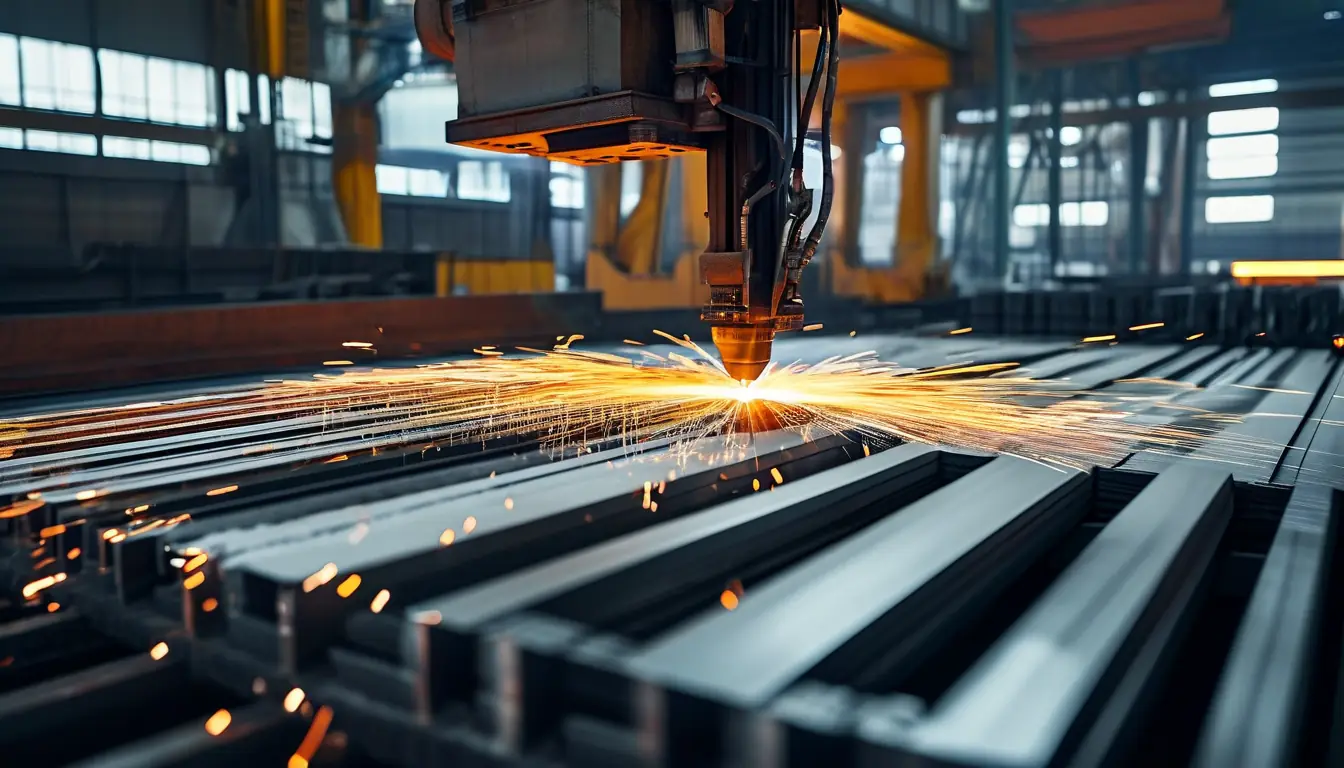
How We Run Thick Plate at Zemlaser
Our heavy-plate fiber lasers cut carbon steel up to 150 mm on beds sized for structural-length parts, with stainless and aluminum in the thickness ranges our power class supports — ask us for the quality range on your specific grade. What that means in practice:
- Quality zone is our quotation basis. We quote the thickness range where we can hold ISO 9013-class edges at production speed — not the machine’s demonstration maximum.
- Test coupons on request. For first orders above 40 mm, we cut a coupon with your specified edge class and ship it (or send macro photos) before the production run.
- Weld-prep awareness. If your parts get welded per AWS D1.1-type structural codes, tell us upfront; we cut to oxide-free or ground-edge spec accordingly.
- Material advice included. Send the drawing and the steel grade — if the grade cuts poorly at your thickness by laser, we will say so and suggest the alternative.
Frequently Asked Questions
How thick can a 6 kW fiber laser cut?
Roughly 25 mm carbon steel with oxygen and 16–20 mm stainless with nitrogen at production quality. It will cut through more, but not with edges you want to ship or weld.
Why does stainless cut thinner than carbon steel on the same machine?
Carbon steel cutting uses oxygen, where the iron-oxygen reaction adds energy to the beam. Stainless is cut with nitrogen, which only melts and blows — so it needs more power per millimeter of depth.
Can laser cutting replace plasma for 50 mm plate?
Often yes, when parts have many holes, tight tolerances, or need weld-ready edges. For large simple shapes with loose tolerance, plasma remains cheaper.
What tolerance can I expect on thick laser cut parts?
±0.5–1 mm is realistic for contours on 40–100 mm plate, governed by thermal-cutting tolerance standards such as ISO 9013. Tighter holes can be laser cut then machined.
Do you need test cuts before a thick plate order?
For a new supplier and anything above ~40 mm, yes. Any credible thick-plate supplier will cut a coupon to your edge-quality spec before the production run — ours included.
References
- TWI Ltd. “What is Laser Cutting? A Definitive Guide to the Process.” TWI Technical Knowledge FAQs. https://www.twi-global.com/technical-knowledge/faqs/what-is-laser-cutting (accessed August 9, 2026).
- TWI Ltd. “Cutting Processes — Laser Cutting (Job Knowledge 052).” TWI Technical Knowledge. https://www.twi-global.com/technical-knowledge/job-knowledge/cutting-processes-laser-cutting-052.aspx (accessed August 9, 2026).
- ISO. “ISO 9013:2017: Thermal cutting — Geometrical product specification and quality tolerances.” International Organization for Standardization, 2017. https://www.iso.org/standard/60321.html (accessed August 9, 2026).
- The Fabricator. “Thick plate cutting meets the laser.” The Fabricator, November 2025. https://www.thefabricator.com/thefabricator/article/plasmacutting/thick-plate-cutting-meets-the-laser (accessed August 9, 2026).
- The Fabricator. “Laser cutting thick plate? Check the surface.” The Fabricator, September 2024. https://www.thefabricator.com/thefabricator/article/lasercutting/laser-cutting-thick-plate-check-the-surface (accessed August 9, 2026).