Every steel frame stands or falls at its connections. Structural steel connection plates — base plates, gussets, shear tabs, cleats, and splice plates — are the flat steel parts that transfer load between beams, columns, and braces. They look simple, but their thickness, grade, hole pattern, and edge quality are engineered to the design loads. This guide covers the types of connection plates, the steel grades and tolerances that matter, the quality standards to demand, and how to source them factory-direct from China with realistic lead times and FOB pricing.
What Are Structural Steel Connection Plates?
A connection plate is a steel plate cut to shape and drilled with bolt holes, then welded or bolted to structural members to join them and carry force across the joint. Unlike standard beams and columns bought off the shelf, connection plates are almost always custom — their profile and hole layout are detailed for each specific joint.
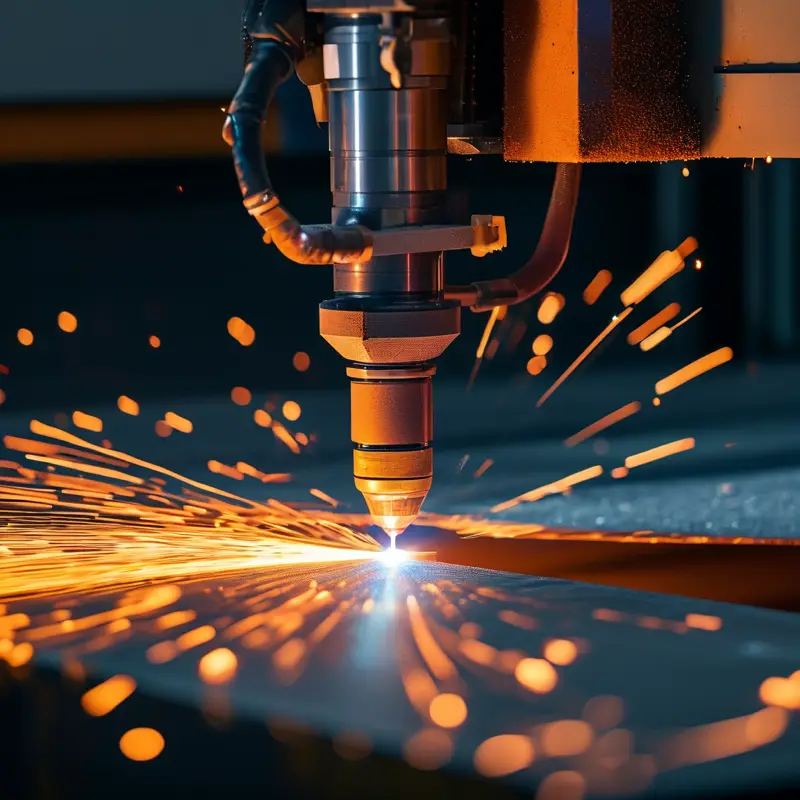
Because they are structural, there is no room for approximate dimensions. A base plate with mislocated anchor-bolt holes will not sit on its foundation; a shear tab with a rough, dross-covered edge will not weld up cleanly. This is why modern fabricators cut connection plates with fiber laser rather than flame or plasma — laser holds profiles and hole positions to ±0.1 mm with clean, square edges ready to weld.
Types of Connection Plates
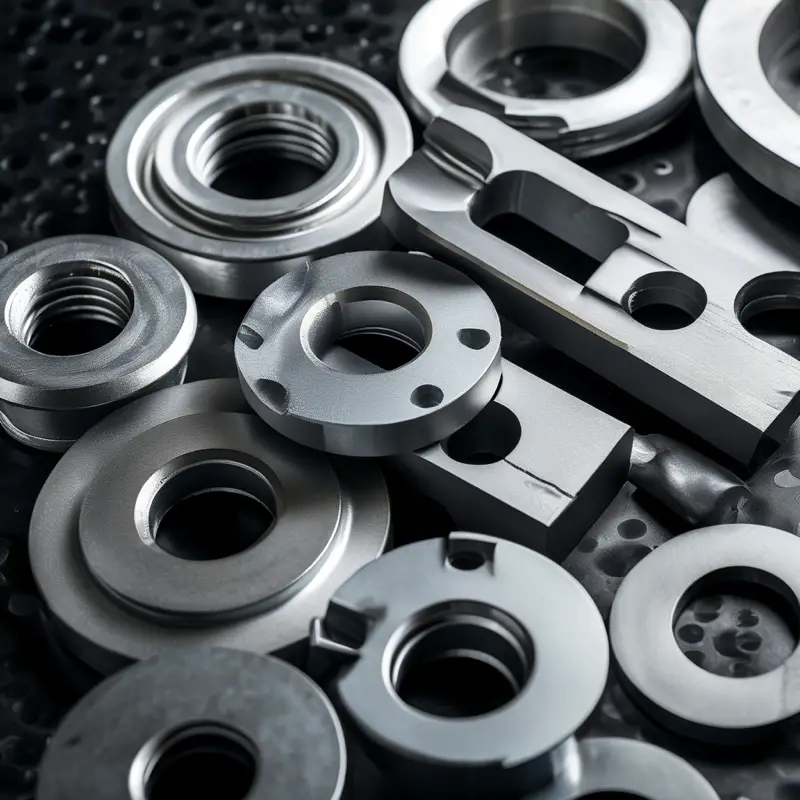
The term “connection plate” covers several distinct parts, each doing a different job in the frame. Confirming the exact type — and the regional name — avoids confusion when ordering:
| Part | Function | Also called |
|---|---|---|
| Base plate | Spreads column load onto the concrete foundation; takes anchor bolts | Column baseplate, column base |
| Gusset plate | Joins braces, chords, and members at a node; transfers axial load | Node plate, bracing plate |
| Shear tab | Welds to a beam web to carry a simple shear connection | Fin plate (UK/AU) |
| Cleat | Angle or plate connecting a beam to a column flange | Connection angle |
| Splice plate | Joins two members end-to-end, bolted through both flanges or webs | Cover plate |
Gusset plates are common enough to warrant their own deep dive — see our guide to custom gusset plates: sizing, grades, and tolerances. The rest of this article focuses on base plates, shear tabs, and the broader connection-plate package.
Steel Grades and Thickness
Connection plates are cut from structural carbon steel plate. The grade is specified by the engineer to match the members being joined:
| Parameter | Typical range |
|---|---|
| Plate thickness | 10 – 60 mm (base plates often 20 – 50 mm) |
| Common grades | ASTM A36, A572 Gr50, S355JR, Q355B |
| Bolt holes | Drilled for M16 – M36 / ¾” – 1½” bolts |
| Edge finish | Clean laser-cut edge, square, no dross or bevel |
Higher-strength grades such as A572 Gr50 and S355 are increasingly common because they let engineers specify thinner, lighter plates for the same load. Base plates tend to be the thickest parts in the package — often 25 mm and up — because they spread concentrated column loads onto concrete. Zemlaser cuts carbon steel plate up to 80 mm, so even the heaviest base plates and moment connections are within a single factory’s capacity.
Quality: What Actually Matters on a Connection Plate
Connection plates are deceptively simple to draw and demanding to make well. These are the quality points that separate a plate that fits on site from one that needs field rework:
- Hole position accuracy — anchor-bolt and bolt-hole groups must land within tolerance, or the member will not bolt up. Laser cutting holds hole positions to ±0.1 mm, eliminating on-site reaming.
- Edge quality — welded connections (shear tabs, gussets) need clean, dross-free edges. A rough flame-cut edge traps slag and causes weld defects; a laser edge welds first pass.
- Flatness — thick plates can warp from thermal cutting. Controlled laser cutting and stress-relieved plate keep base plates flat enough to bear fully on the foundation.
- Squareness and profile — complex gusset and cleat shapes must match the detail drawing exactly, including cope cuts and notches.
- Material traceability — structural work demands mill certificates (EN 10204 3.1) so the grade and chemistry are provable.
For the tolerances that apply to different features, our capabilities page lays out exactly what accuracy to expect per thickness and process.
Quality Standards and Certifications to Demand
Structural connection plates are governed by the same standards as the frame they join. When sourcing, confirm the supplier can work to the standard your project specifies:
| Standard | Covers |
|---|---|
| AISC 360 | US structural steel design and connection requirements |
| AWS D1.1 | Structural welding code (welded connection plates) |
| EN 1090-2 | European execution class for steel structures (EXC2/EXC3) |
| EN 10204 3.1 | Material test certificates / mill certs |
| ISO 9001 | Quality management system |
As an ISO 9001-certified fabricator, Zemlaser supplies connection plates with mill certificates, dimensional inspection reports, and — where required — weld procedures qualified to AWS D1.1 or EN 1090. The documentation package travels with the shipment, so your inspector can verify every plate.
Lead Time and FOB Pricing from China
Connection plates are among the fastest structural parts to source from China because they are cut directly from plate with minimal secondary work. A realistic timeline:
| Stage | Typical time |
|---|---|
| Quote from drawings | 24 hours |
| Cutting + drilling | 7 – 12 days (quantity dependent) |
| Surface treatment (if primed/galvanized) | +3 – 5 days |
| FOB Tianjin | Loaded at Tianjin port |
FOB (Free On Board) Tianjin means the price covers cutting, finishing, packing, inland transport, and loading onto the vessel at Tianjin — China’s main northern steel-export port. You pay ocean freight and import duties from there. Pricing scales with material weight (plate is priced per tonne), cutting complexity (hole count, profile length), finish, and quantity. Batch the full connection-plate package — base plates, gussets, shear tabs, and cleats together — and you consolidate quality, documentation, and lead time under one supplier.
How to Order Connection Plates from China
To get an accurate quote with no back-and-forth, send:
- Detail drawings — profile, thickness, and grade for each plate (DXF/DWG or PDF).
- Hole schedule — bolt diameters, positions, and tolerances.
- Quantity — per-part counts, and whether it is a trial batch or full project supply.
- Finish — bare, shot-blasted + primer, or hot-dip galvanized.
- Documentation — mill certs (EN 10204 3.1), dimensional reports, weld procedures if welded.
- Standard — the execution standard your project requires (AISC, AWS D1.1, or EN 1090).
Zemlaser laser-cuts the full range of structural connection plates — base plates, gussets, shear tabs, cleats, and splice plates — factory-direct from Taiyuan, China. Carbon steel, stainless, and aluminium, ISO 9001 certified, 1-piece minimum, quotes within 24 hours. Visit our company page to see the shop, or send drawings for a free quote.
Frequently Asked Questions
What are structural steel connection plates?
Connection plates are custom-cut steel plates that join structural members and transfer load across the joint. The main types are base plates (column-to-foundation), gusset plates (bracing nodes), shear tabs/fin plates (beam shear connections), cleats, and splice plates. They are detailed per joint and laser-cut to ±0.1mm.
What is the difference between a base plate and a gusset plate?
A base plate sits under a column and spreads its load onto the concrete foundation, taking the anchor bolts. A gusset plate joins braces, chords, and members at a node and transfers axial load between them. Base plates are usually the thickest connection parts (often 25mm+); gussets are shaped to the node geometry.
What steel grade is used for connection plates?
Common grades are ASTM A36 and higher-strength A572 Gr50, S355JR, or Q355B. Higher-strength grades let engineers use thinner, lighter plates for the same load. The engineer specifies the grade to match the members being joined, and mill certificates (EN 10204 3.1) prove the chemistry.
How thick can connection plates be laser cut?
Zemlaser laser-cuts carbon steel plate up to 80mm, covering the full range of base plates, gussets, and shear tabs including heavy moment connections. Typical base plates are 20-50mm; gussets and shear tabs are usually 10-25mm depending on the load.
What is the lead time for connection plates from China?
Quotes come back within 24 hours. Cutting and drilling take 7-12 days depending on quantity, plus 3-5 days if primed or galvanized. Plates ship FOB Tianjin. Ordering the full connection-plate package – base plates, gussets, shear tabs, cleats – from one factory consolidates quality and lead time.
Can I order connection plates to AISC, AWS D1.1, or EN 1090?
Yes. Zemlaser is ISO 9001 certified and supplies connection plates with mill certificates, dimensional inspection reports, and – where required – weld procedures qualified to AWS D1.1 or EN 1090 execution classes. State the standard in your RFQ and the documentation travels with the shipment.
Need Structural Steel Connection Plates?
Send your detail drawings for a factory-direct quote — laser-cut base plates, gussets, shear tabs, and cleats in carbon steel up to 80mm, ISO 9001 certified, 1-piece minimum, shipped FOB Tianjin.
Get a Free Quote →