TL;DR: Sourcing laser cut parts from China works when you control three things: send clean CAD files with tolerances marked, understand the quote structure (per-meter cutting + material + shipping), and verify material certificates before shipment. Most import problems in laser cut parts china orders trace back to one of those three. This guide walks the full process from RFQ to delivery, with the HS codes, Incoterms, and checks that keep an order safe.
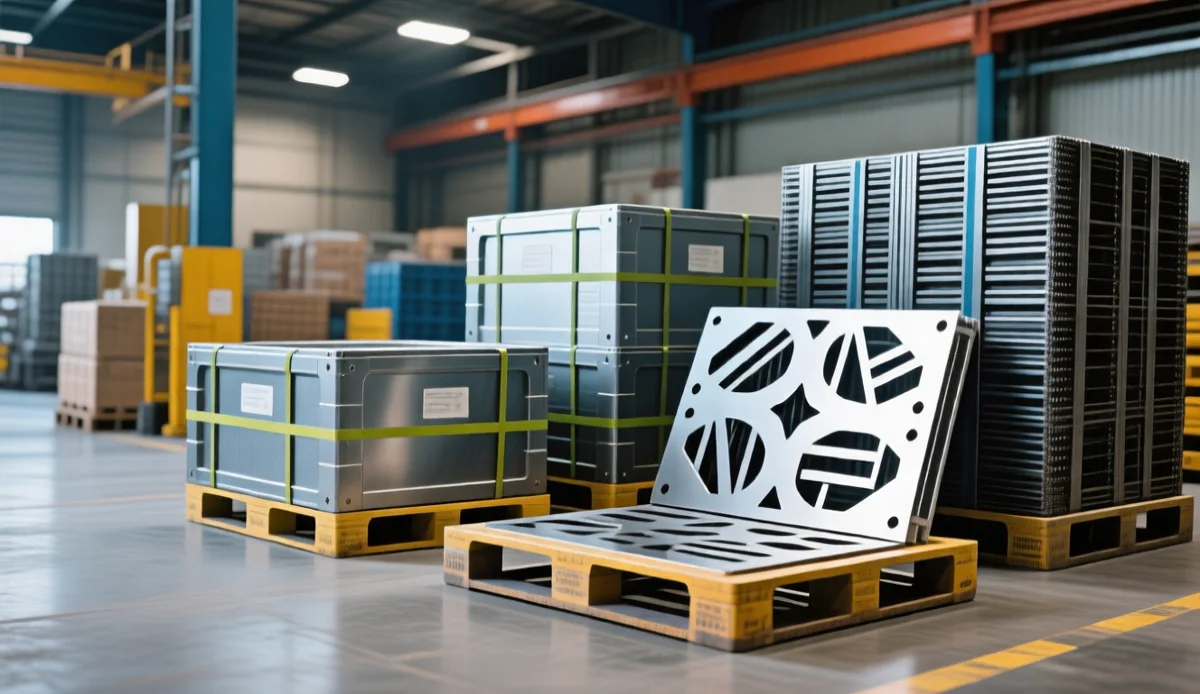
1. Why Importers Source Laser Cut Parts from China
The arithmetic is straightforward. Chinese laser cutting shops run modern fiber lasers — 6 kW and 12 kW machines are common — at labor, energy, and material costs below Western equivalents. For laser cut parts china buyers, the typical result is 30–50% lower landed cost on mid-volume steel and stainless parts, even after sea freight, with quality that matches ISO 9013 cutting classes when the shop is properly equipped.
But the discount is not automatic. It survives only when files are clean, tolerances are agreed, and the supplier is verified. The sections below are the working checklist we use on our own export orders — the same one a buyer can apply to any laser cutting parts supplier.
2. What the Supplier Needs From You: The RFQ Package
Ninety percent of slow quotes and wrong parts start with an incomplete RFQ. A complete package contains:
- Files. DXF for 2D profiles (one file per part, at 1:1 scale, in millimetres) and STEP when the part has features beyond flat cutting. Which format to send, and how to clean it, is covered in our DXF vs STEP guide.
- Material and thickness. Grade and standard (e.g. Q235B, 304 per GB/T, or your local equivalent), thickness in mm, and surface finish if it matters (2B, pickled, mill).
- Quantities. Per part and per order — pricing is quantity-tiered, and the shop nests differently at 50 pieces vs 5,000.
- Tolerances and edge requirements. Mark critical dimensions on the drawing with the tolerance class you expect (ISO 9013 gives a shared vocabulary — our tolerances guide explains the grades). State whether edges must be weld-ready or coating-ready; that decides the cutting gas, as our assist gas guide details.
- Destination and terms. Port of discharge and preferred Incoterm (Section 6).
Send all of that in one message and quotes come back in days instead of weeks, and they will be comparable between suppliers.
3. How Chinese Laser Cutting Quotes Are Structured
Understanding the quote structure is what lets you compare suppliers honestly. A typical quote for custom laser cut metal parts breaks down as:
| Line | How it’s calculated | What to check |
|---|---|---|
| Cutting | Per metre of cut path, by material and thickness | Ask for the per-metre rate; compare against our cost per meter guide |
| Material | Nested area × thickness × density + scrap allowance | Ask for nesting efficiency; 85%+ on good nests |
| Setup / programming | Fixed fee per job, amortizes with quantity | Waived or small on repeat orders |
| Surface / finishing | Deburr, polish, coating — quoted separately | Confirm edge spec in writing |
| Packing & export docs | Crates/pallets, fumigation, MTRs | Include in FOB price, not “extras” |
Two habits protect you: get the breakdown, not just the total; and quote at your real quantities, because per-piece cost at 100 units can be double the cost at 2,000.
4. HS Codes: How Laser Cut Parts Are Classified
One of the most-asked questions in laser cut parts china searches is the HS code — and the trap is assuming the process decides it. Customs classifies by the material and what the article is, not how it was cut. Typical headings for laser cut parts:
- 7326 — other articles of iron or steel (the default for laser cut steel blanks, brackets, and fabrications that are not more specifically described)
- 7308 — structures and parts of structures (plates, rods, angles prepared for structural use)
- 7616 — other articles of aluminium (for laser cut aluminum parts)
- 7307 / 7326.90 and machine-specific chapters apply when the parts are identifiable as machine parts
The duty rate at your destination follows from that code, so confirm classification with your customs broker before shipping — a wrong code means surprise duty or a customs hold. The Harmonized System itself is maintained by the World Customs Organization; your country’s tariff schedule adds the local digits and rates.
5. Verification: Material, Dimensions, Edges
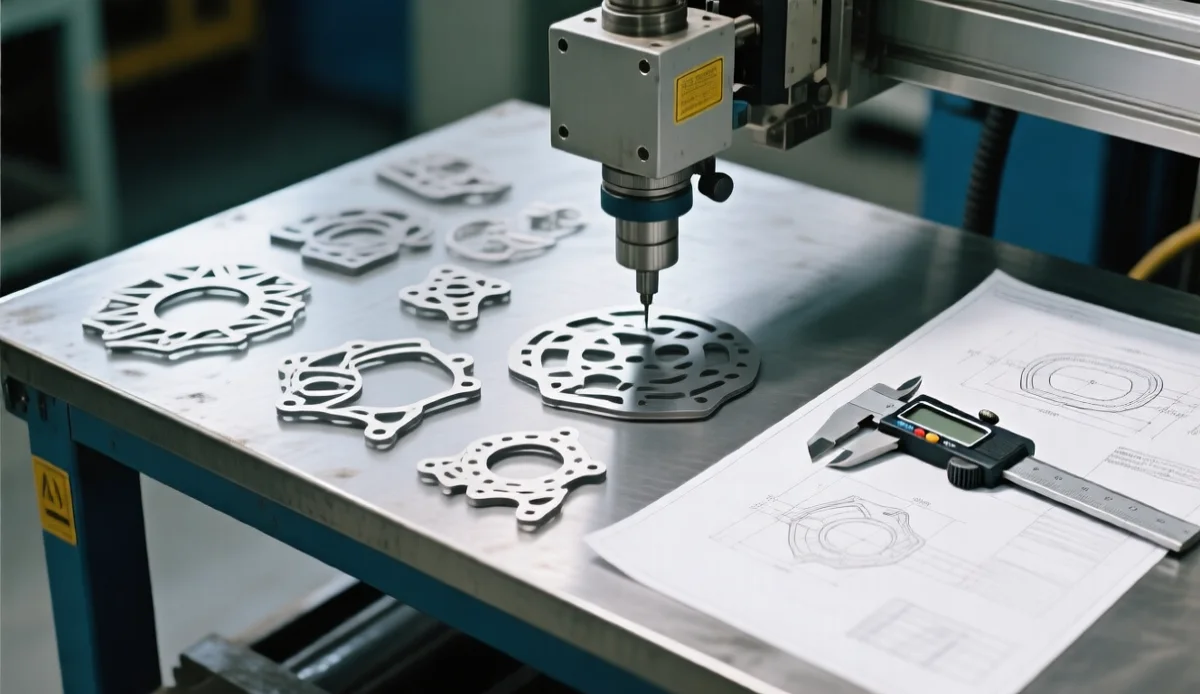
Three checks turn a risky shipment into a routine one:
- Mill test certificate (MTR). Ask for the mill certificate of the actual heat used. It states chemistry and mechanicals; compare grade against your spec. If you have never read one, our sister site’s MTR verification guide walks through it line by line.
- First-article dimensions. For a new part, have the shop measure and photograph 3–5 first articles against your drawing before the batch is cut. Critical dimensions get measured, not eyeballed.
- Edge quality. Agree the standard up front (ISO 9013 range, dross-free, burr height) and put it in the PO. Edge disputes are the most common laser cutting quality dispute — because nobody specified the edge.
A supplier who pushes back on any of these is telling you something useful before the money moves. A good laser cutting service treats all three as routine — and will send the paperwork before you ask, because it knows verified orders come back.
6. Shipping Terms and Logistics
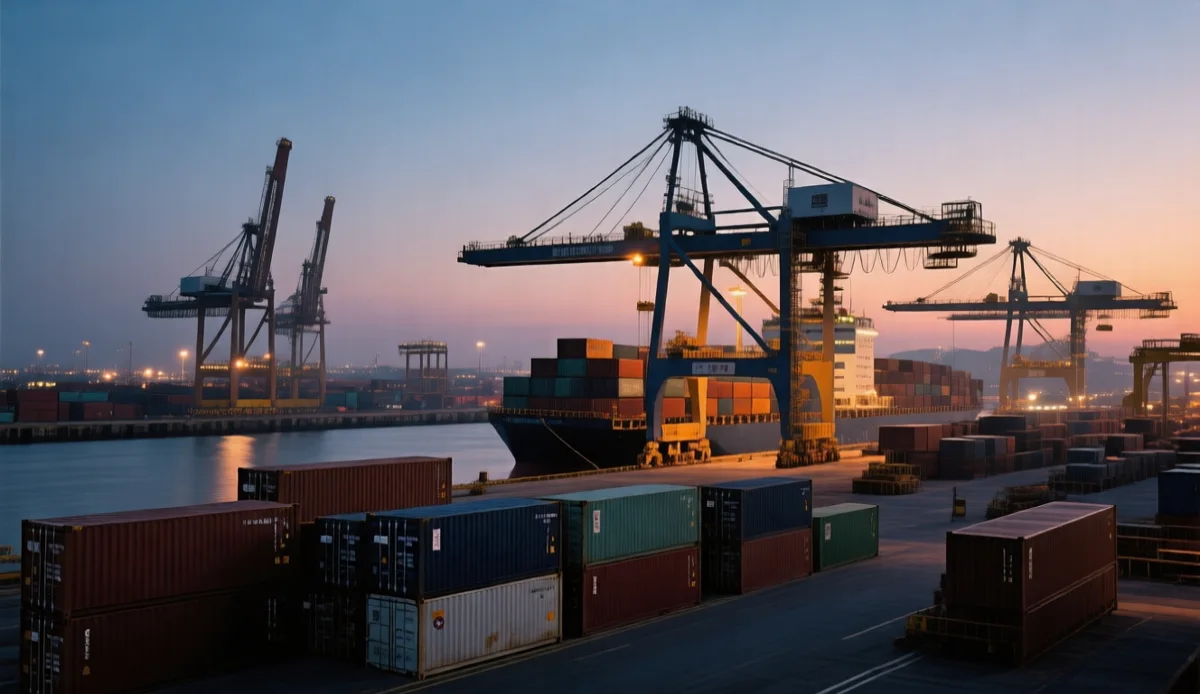
Laser cut parts are dense — steel parts ship by weight, not volume, so sea freight dominates and packing quality matters more than box count. The working defaults:
- Incoterms. FOB (you control the ocean leg) or CIF/DDP (supplier arranges more). Know exactly what each covers — the ICC Incoterms rules are the definitions both sides are quoting against.
- Packing. Steel blanks travel in export crates or steel-banded pallets with VCI or oiled protection against rust in a salty container. Specify “seaworthy packing” in the PO.
- Cost reference. Ocean rates move; the Freightos Baltic Index gives the current China–Europe / China–US container benchmarks so a freight quote can be sanity-checked.
- Lead times. Air for samples and urgent small batches; ocean for production volume. The typical clock:
| Stage | Typical time | Notes |
|---|---|---|
| Sample cutting + courier | 1–2 weeks | Courier 3–6 days once shipped |
| Production cutting | 1–3 weeks | Volume and shop queue dependent |
| Packing + export docs | 2–4 days | Crating, fumigation, MTR pack |
| Ocean to US west / east coast | 15–25 / 30–38 days | LCL consolidation adds days |
| Ocean to Europe | 25–35 days | China–Europe rail ~18–22 days |
Two scheduling habits keep imports calm: get the packing and document stage quoted into the lead time (it is where “ready” shipments lose a week), and for any deadline-driven order ask the supplier what stage is the constraint before you commit to a date downstream.
7. Samples, Then Production: The Right Sequence
Never skip the sample step on a new part or a new supplier — it is the cheapest insurance in the whole process:
- Step 1 — sample from your files. The shop cuts 1–3 pieces from your actual DXF/STEP. You receive them (courier, 3–6 days), measure them, and confirm fit.
- Step 2 — first-article approval. On the production run, first articles are checked against the drawing before the batch continues.
- Step 3 — pre-shipment photos or inspection. Photos of packed goods with MTRs, or a third-party inspection for large orders.
The sequence catches file problems at the sample stage (cost: one courier fee) instead of at your dock (cost: a container of wrong parts). Our cut-to-size buyer’s guide covers the same discipline for plate orders specifically.
8. A Worked Cost Example
Take 2,000 laser cut mild steel brackets, 4 mm, average cut path 350 mm each, nesting at 85%. The cut path totals ~700 m; at a per-metre rate for 4 mm mild steel that is the largest line in the quote. Material adds roughly the nested area (about 500 kg at 4 mm), and export crating plus documents add a few hundred dollars fixed. Change two variables and the number moves: at 5,000 pieces the setup and freight per piece fall sharply, and switching to 3 mm drops both the per-metre rate and the material weight — which is exactly the kind of trade to ask your supplier to price as alternatives rather than assume.
9. Red Flags When Choosing a Supplier
Warning signs that separate trouble from partners:
- Quotes without questions. A shop that never asks about tolerances, edge quality, or packing is quoting a commodity, not your part.
- No MTRs offered. “Material is standard” without a certificate means unverifiable chemistry — a hard no for anything structural.
- Vague edge quality. If the quote says “laser cut” and nothing about the edge, expect whatever the default gas and speed produced.
- Prices far below market. Sub-market pricing on laser cut parts usually comes from substituted material, skipped checks, or renegotiation later. Cheap is a cost, not a saving.
- No export track record. Ask for examples of shipped export orders — packing photos, documents, references. Shops that cut well but never export stumble on documents and packing.
Frequently Asked Questions
How do I get a quote for laser cut parts from China?
Send DXF files (1:1, mm), material grade and thickness, quantities, tolerance marks, and your destination port. A complete RFQ package gets a comparable quote in days. Missing any of those items slows the quote and invites assumptions.
What is the HS code for laser cut steel parts?
Usually 7326 (other articles of steel) for blanks and fabrications, or 7308 for structural parts — classification follows the material and article, not the cutting process. Aluminum parts fall under 7616. Confirm with your customs broker before shipping.
What is the minimum order for laser cut parts from China?
Most shops will cut samples and small batches — even single pieces — but per-piece cost falls steeply with quantity because setup and nesting amortize. Ask for pricing at your real volume and one step above it.
How long does it take to receive laser cut parts from China?
Typically: samples in 1–2 weeks including courier, production 1–3 weeks, then 15–35 days sea transit depending on destination. Urgent small batches can fly in days at a premium.
Can I get material certificates with my parts?
Yes — ask for the mill test certificate (MTR) of the heat used, and make it a PO requirement. It is the only reliable proof of grade and chemistry, and serious suppliers provide it routinely.
Are laser cut parts from China good quality?
They are as good as the specification. Shops with modern fiber lasers cut to ISO 9013 classes comparable to Western shops; the difference-makers are the tolerances you mark, the edge spec you write down, and the verification you require before shipment.
What files should I send for laser cutting?
DXF for 2D profiles at 1:1 scale in millimetres, STEP if the part has non-flat features. One file per part, no drawing border geometry in the cut file. Details in our DXF vs STEP guide.
Should I ask for samples before a production order?
Always, for a new part or new supplier. Samples catch file and tolerance problems for the cost of a courier run, before volume material is cut. Skip them only for exact repeats of a proven part.
Conclusion: The Discount Survives Only With Process
Laser cut parts from China deliver real savings — 30–50% landed cost is normal — but the savings are conditional: clean files, transparent quotes, verified material, and specified edges. Importers who treat those four as non-negotiable get Western-quality parts at Chinese prices; importers who skip them buy expensive lessons. Run the checklist in this guide on your next RFQ, and compare suppliers on the breakdown, not just the bottom line. If you would like a quote with the full breakdown — per-metre rates, material, packing, and MTRs included — send your files through our quote page.
References: World Customs Organization — Harmonized System nomenclature (wcoomd.org). 1 ICC Incoterms® rules — international trade terms (iccwbo.org). 2 Freightos Baltic Index — container freight rate benchmarks (fbx.freightos.com). 3